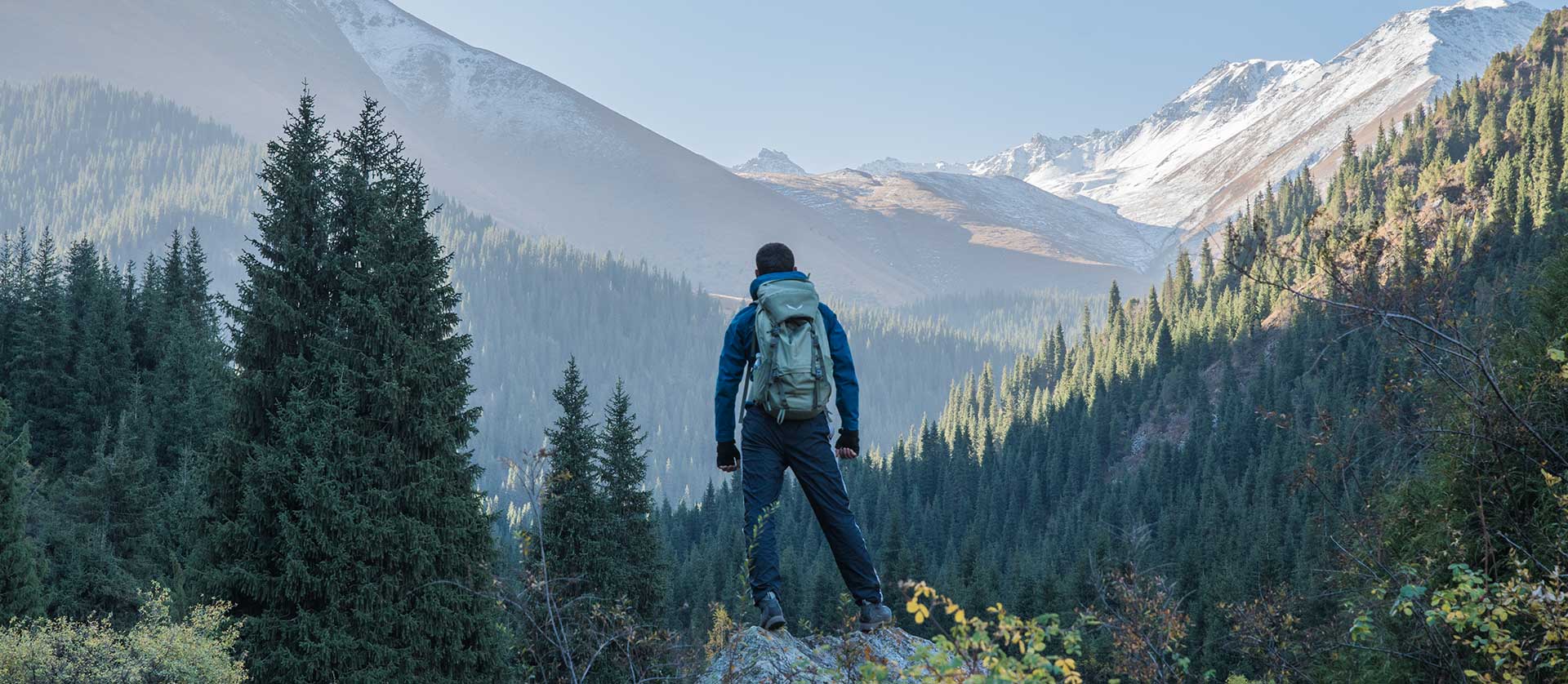
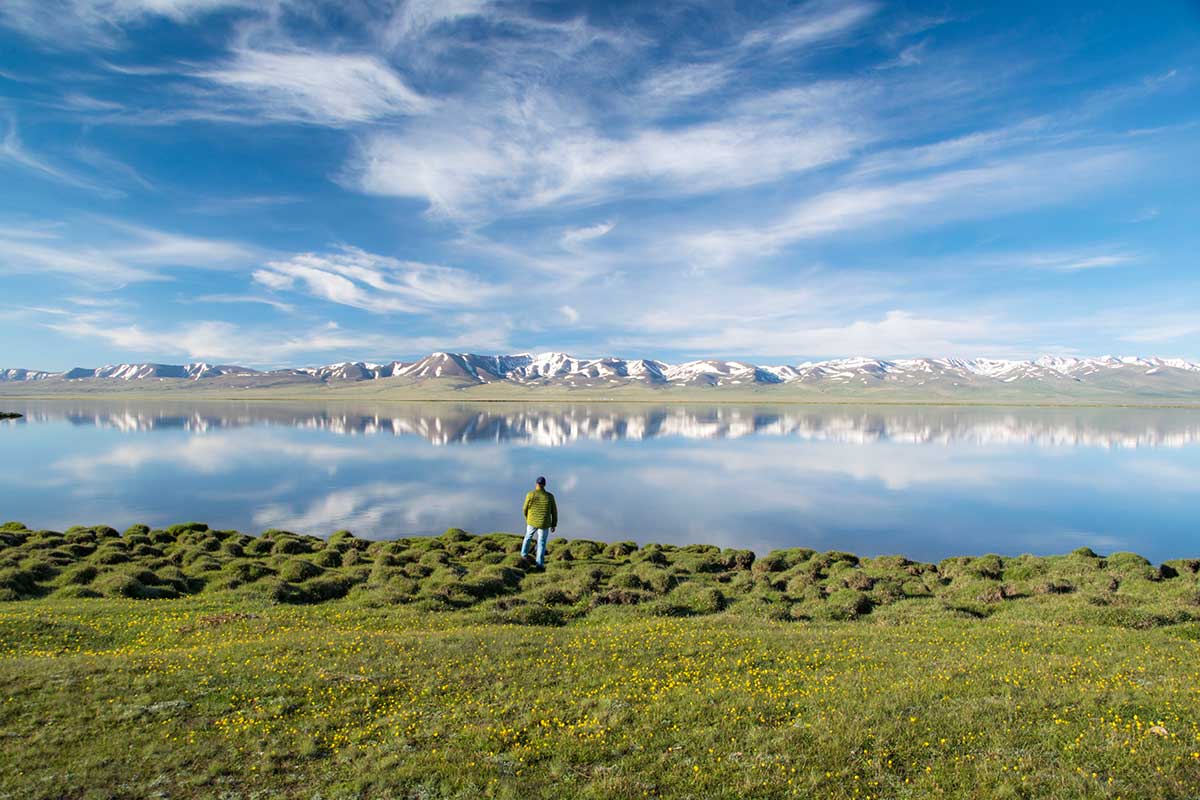
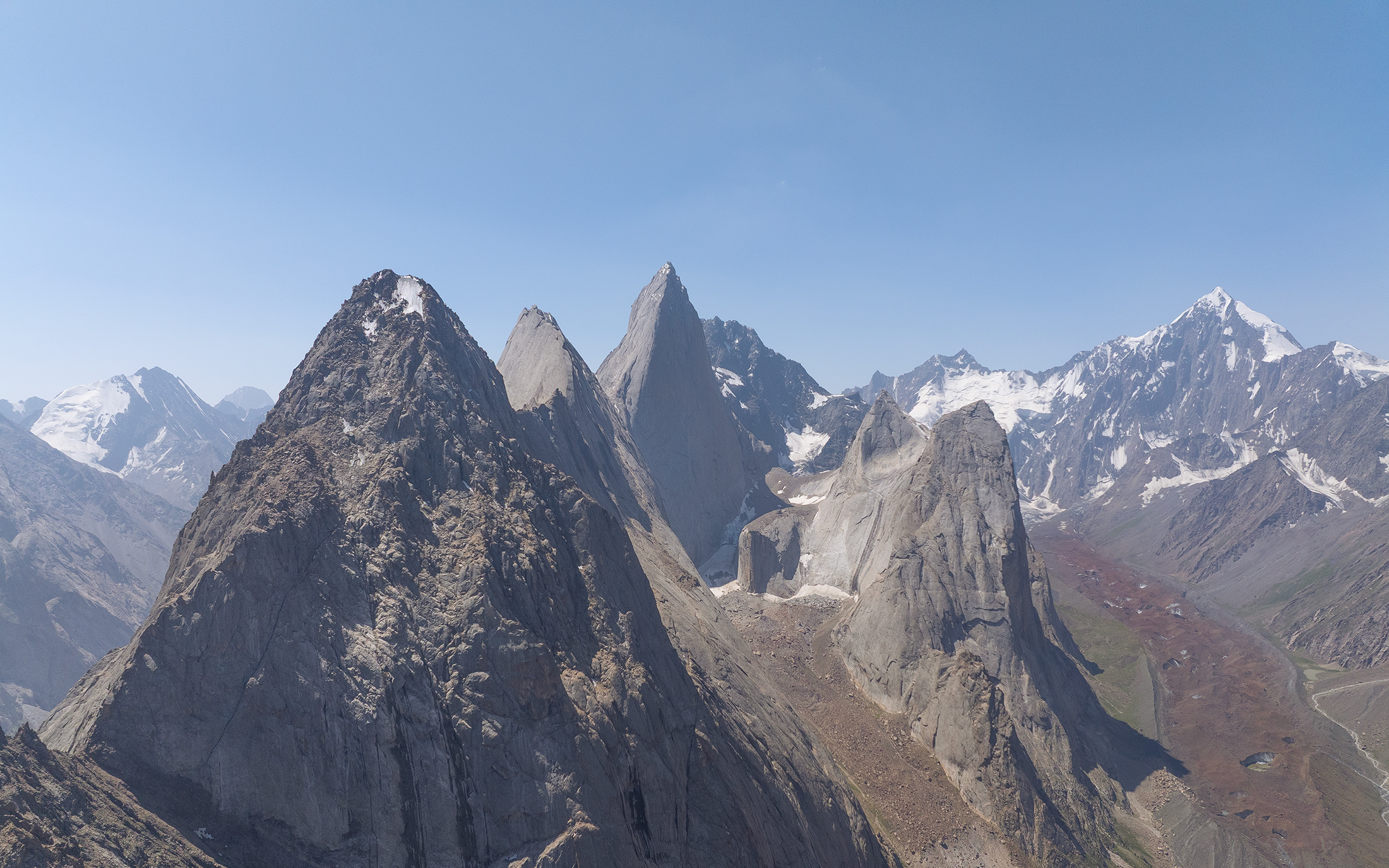
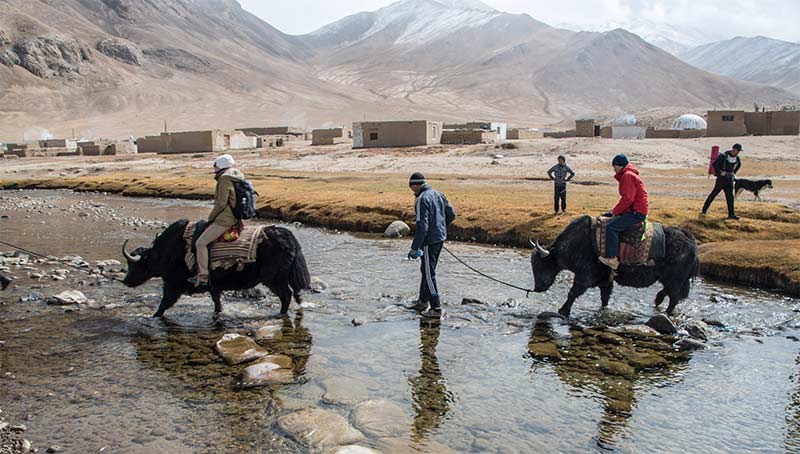
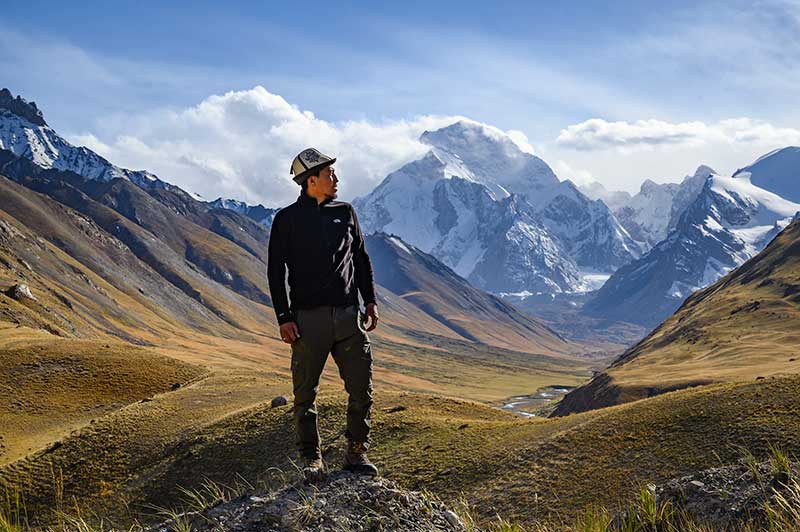
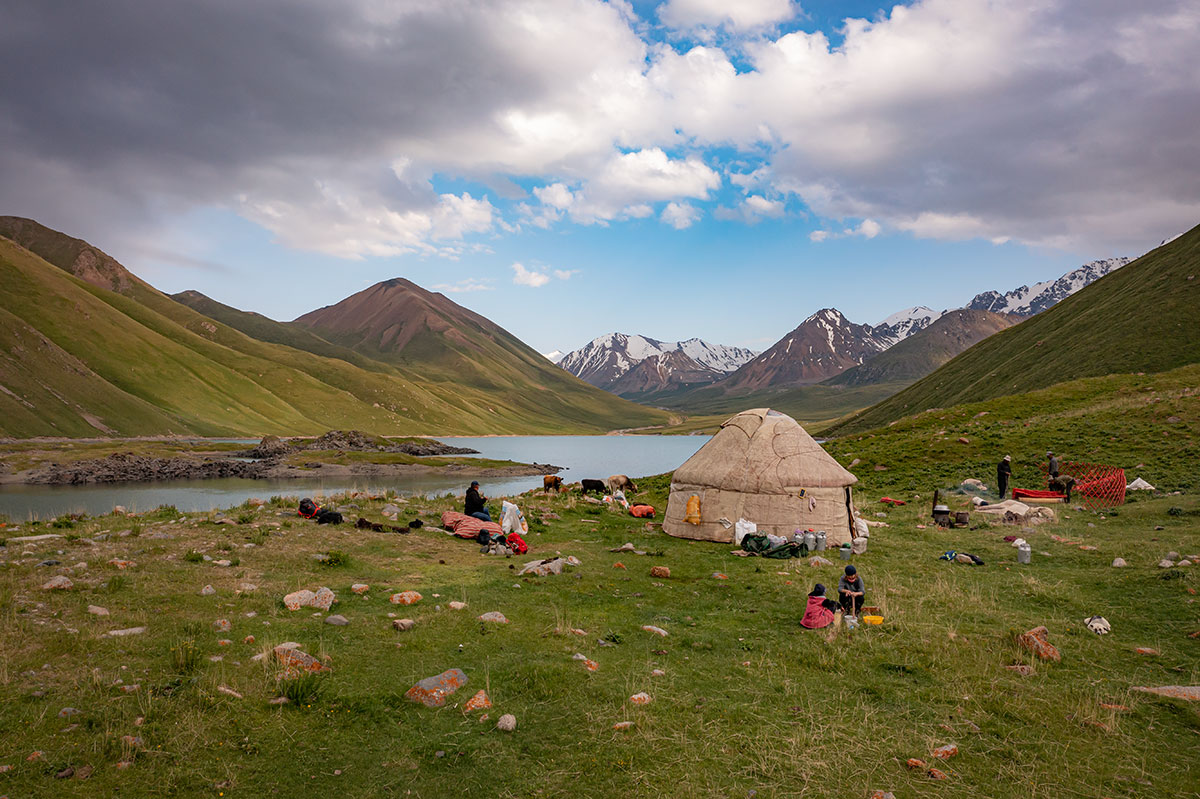
Kyrgyzstan trekking tours offer something most countries cannot — vast unspoiled mountains where you can walk for a week without seeing a road. The Tian Shan range covers the north, the Pamir-Alay range the south, and between them lie alpine lakes, glacier valleys, and the summer pastures where Kyrgyz nomadic families still live with their herds. Our trekking tours take you through these landscapes with expert local guides, traditional yurt accommodation, and routes built around your fitness level and experience.
We have been organising trekking tours in Kyrgyzstan since 2008. Every trip is led by a guide who knows the route personally, supported by pack animals or vehicles where needed. Whether you want a 3-day hike to a turquoise alpine lake or a 10-day expedition into the Alay Mountains, our small-group format keeps the experience personal.
Why Trek in Kyrgyzstan
Kyrgyzstan is over 90% mountainous, and most of those mountains are above 3,000 metres. Yet the country is one of the most accessible high-altitude trekking destinations on earth. Visa-free entry for 60+ countries means you can fly into Bishkek and be on the trail within 48 hours.
What makes Kyrgyz trekking different:
- Wild and uncrowded: most routes have no permits, no fees, and you can hike for days without crossing another tourist group.
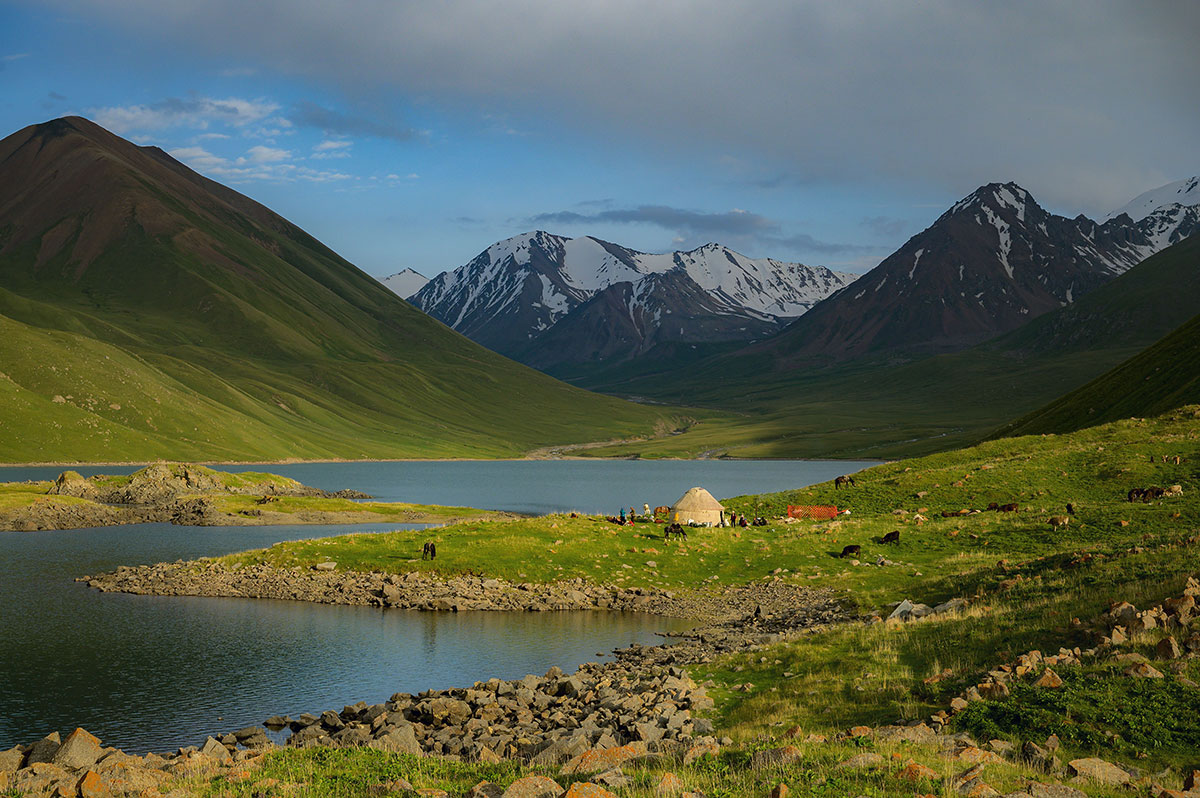
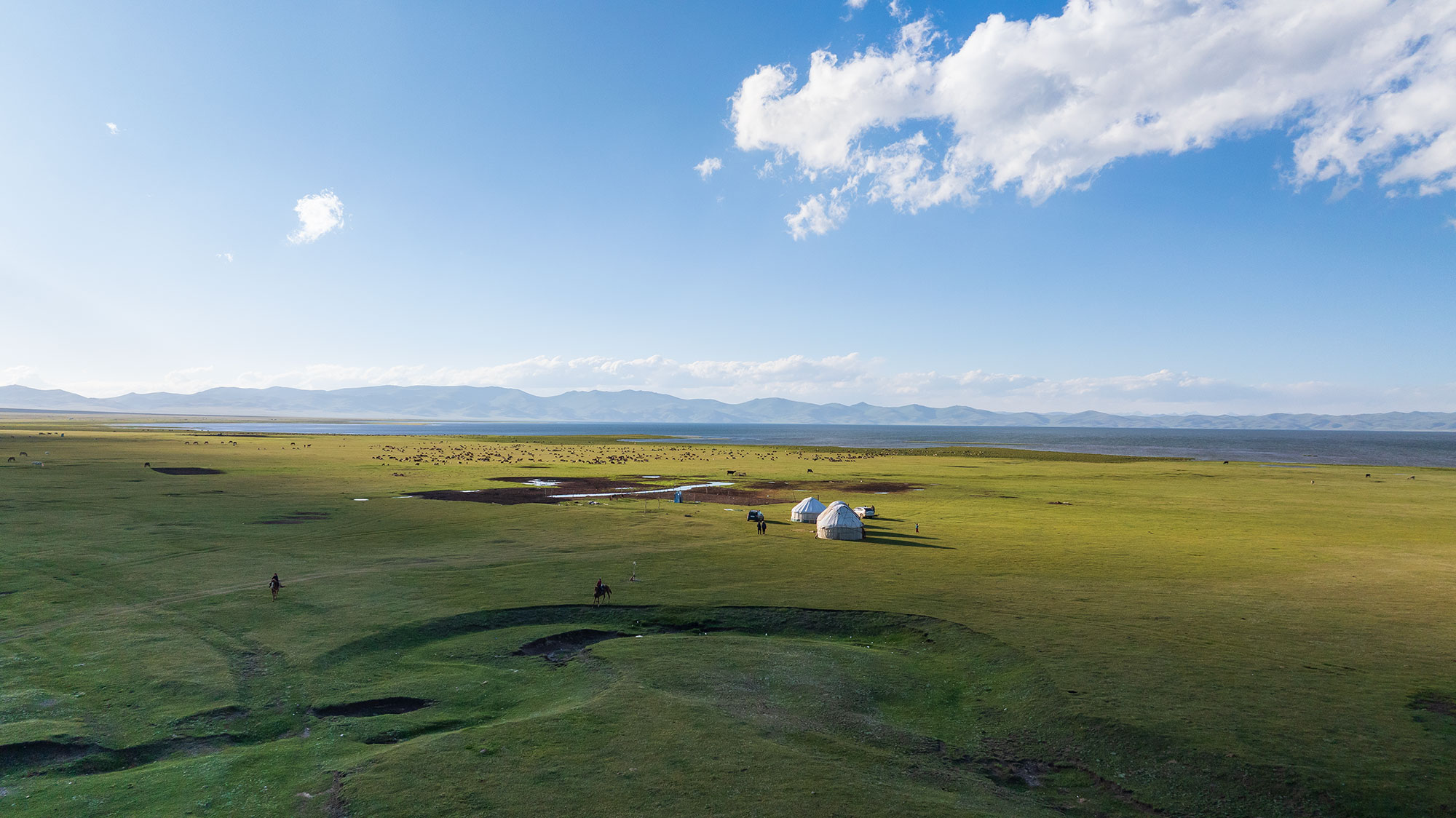
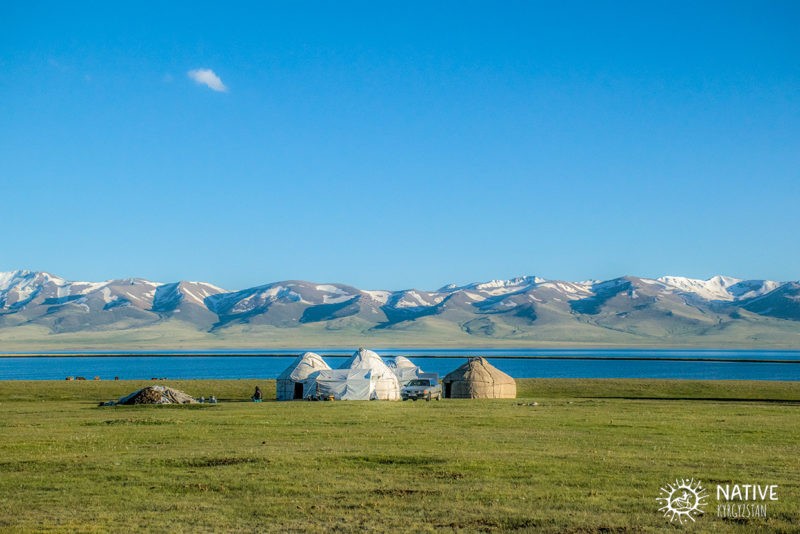
- Nomadic culture on the trail: summer pastures (jailoos) are still active. You will meet shepherd families, share kymyz (fermented mare's milk), and sleep in working yurt camps.
- Variety of terrain: alpine lakes, walnut forests in Arslanbob, glacier valleys around Karakol, red canyons near Jeti-Oguz, the high passes of the Alay.
- Reasonable prices: a multi-day trek with full support costs less than a weekend in the Swiss Alps.
Best Treks in Kyrgyzstan by Region
Northern Tian Shan (Karakol, Issyk-Kul)
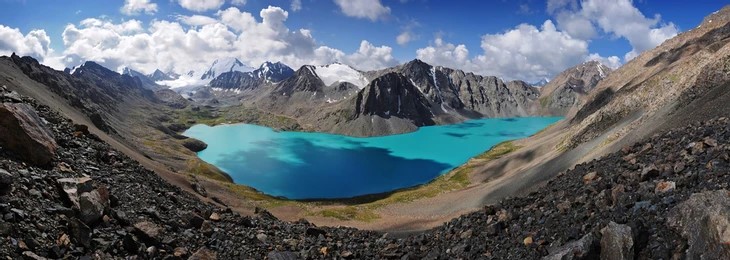
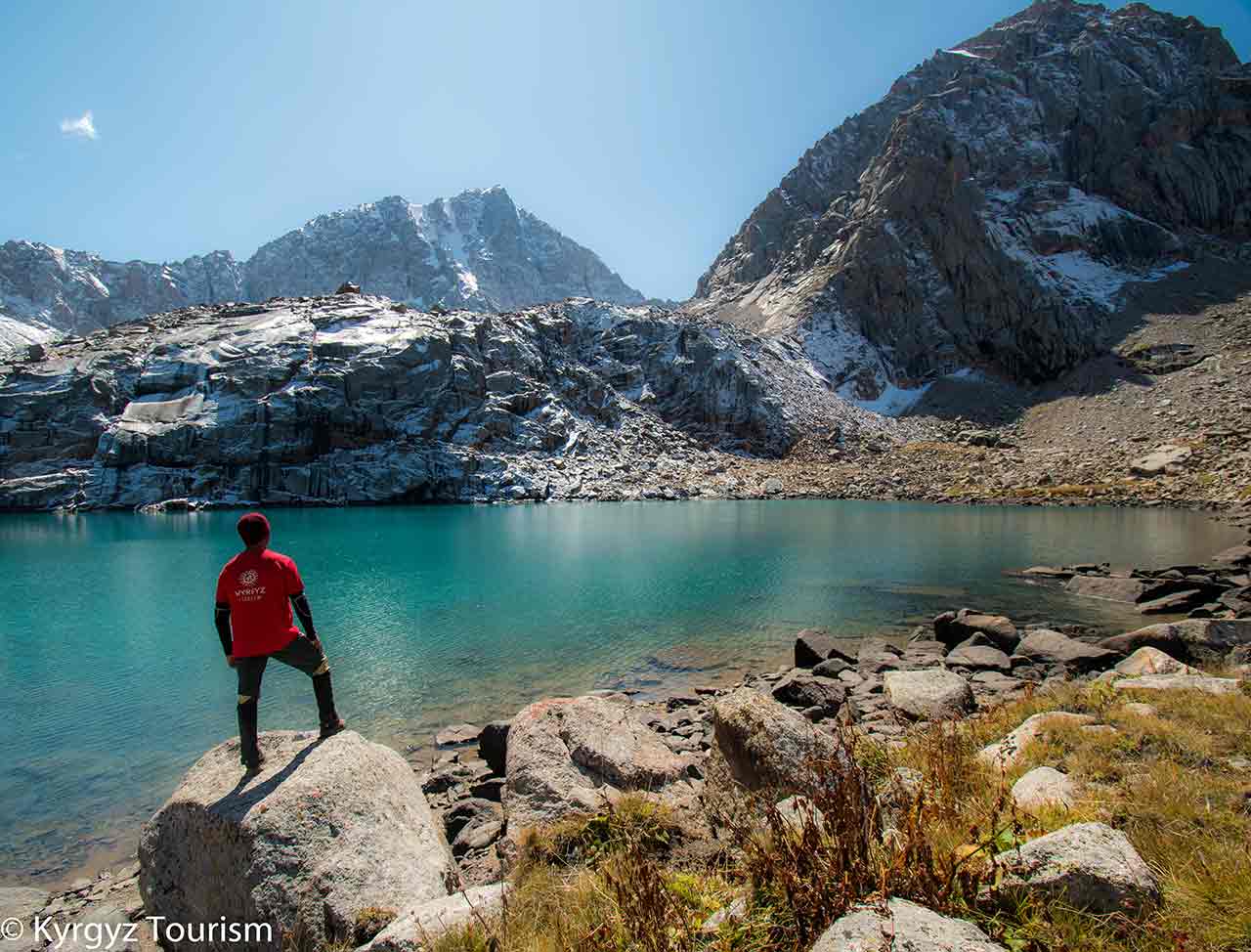
The most popular trekking region. Routes around Ala-Kul Lake, Altyn Arashan, and Jyrgalan offer turquoise alpine lakes, hot springs, and well-marked trails. Best for first-time visitors and those who want classic Kyrgyz mountain scenery.
Central Tian Shan (Song-Kol, Kel-Suu)
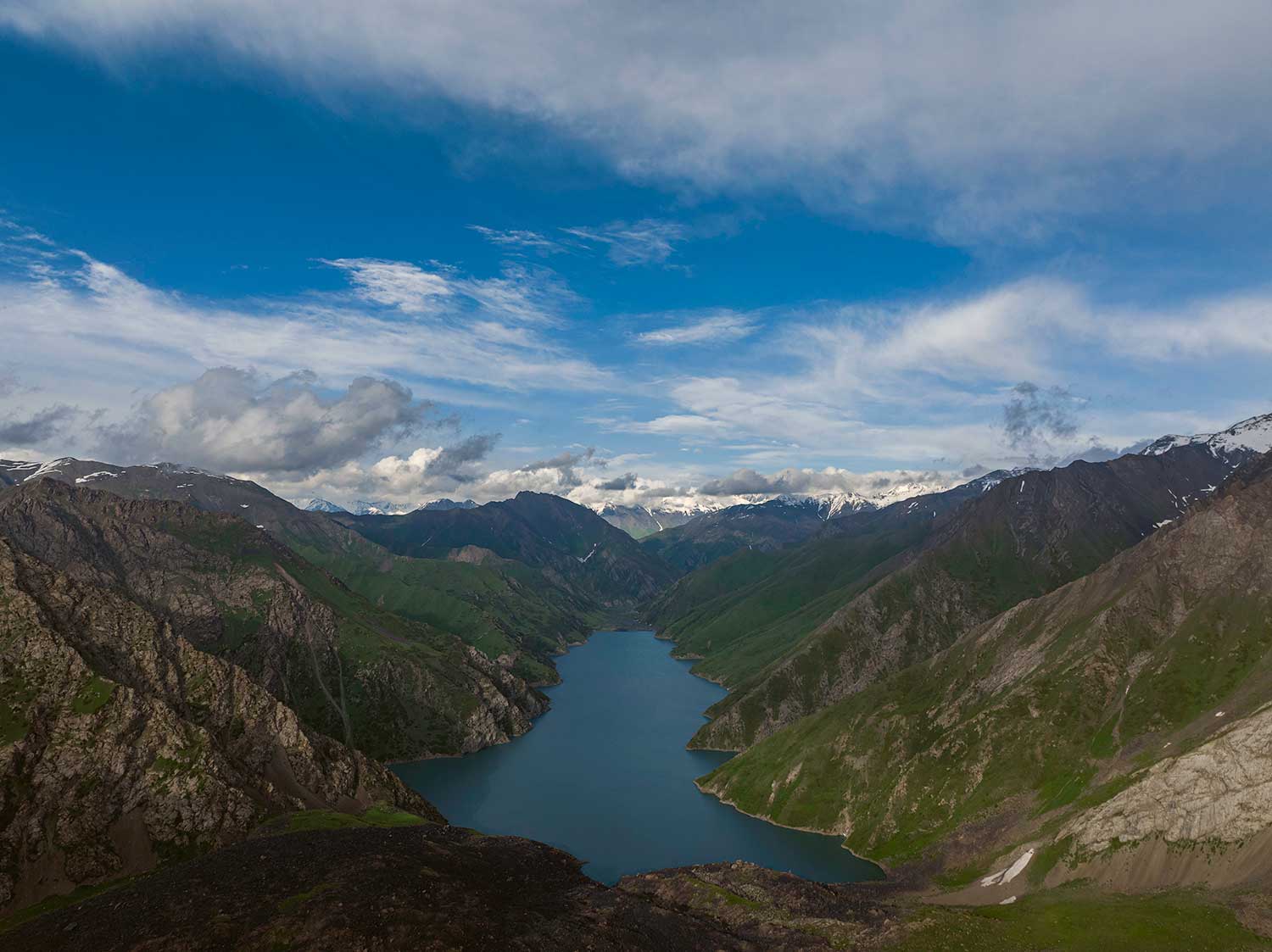
Higher, wilder, less developed. Trekking around Song-Kol takes you through real working nomad pastures. Kel-Suu Lake — turquoise water between vertical cliffs near the Chinese border — is one of the most photographed destinations in the country.
Pamir-Alay (Sary-Mogul, Lenin Peak base camp)
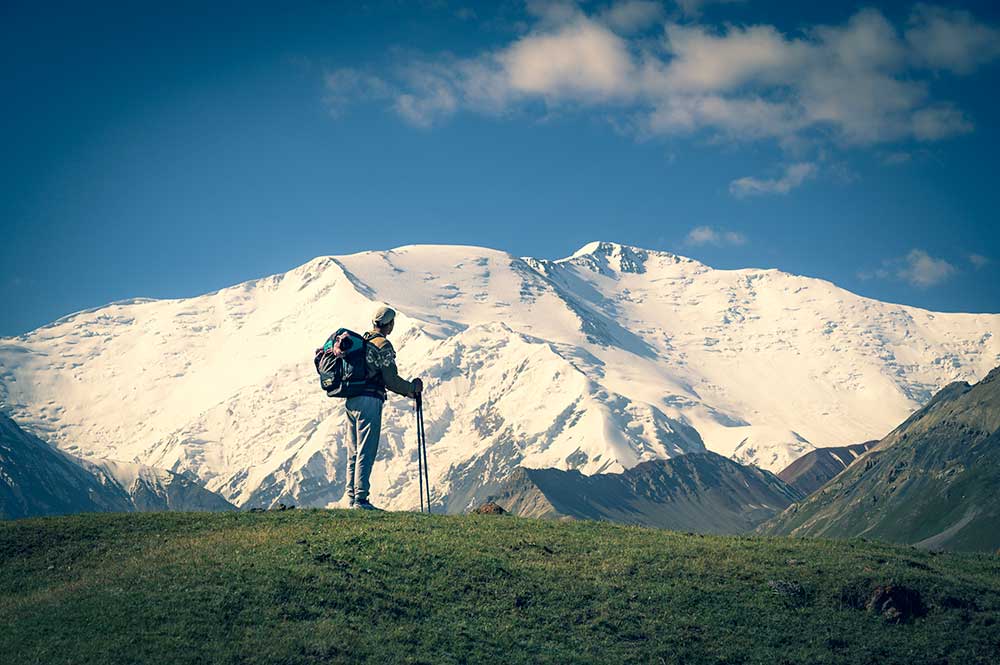
The south of the country. Higher altitudes (often above 3,500 m), remote routes, views of 7,000-metre peaks. For experienced trekkers looking for serious mountain wilderness.
Walnut forests (Arslanbob)
The largest natural walnut forest in the world. Lower altitude trekking with cultural depth — Kyrgyz, Uzbek, and Tajik villages in the same valley.
What to Expect on a Kyrgyz Trekking Tour
Difficulty
Most of our routes are graded moderate. You should be comfortable walking 5–7 hours a day with 500–800 metres of elevation gain, carrying a daypack. Multi-day expeditions to higher altitudes require a higher fitness level — we will tell you honestly when booking.
Accommodation
Most nights are spent in yurts with nomadic families on the summer pastures. Some routes include tent camping in remote areas, and the first and last nights are typically in a village guesthouse. All yurts are heated and have shared cooking facilities.
Food
All meals are included. Breakfast at the yurt or guesthouse, packed lunch on the trail, hot dinner with the host family. Expect plov, manti, laghman, fresh bread, and dairy from the host's animals. Vegetarian and vegan options available with advance notice.
Pack animals
On most multi-day treks, we use horses or pack mules to carry your heavy gear so you only walk with a daypack. This makes the trek accessible to people who would otherwise find multi-day hiking too physical.
Best Time for Trekking in Kyrgyzstan
The trekking season runs from mid-June to mid-September.
- Mid-June to early July: pastures bright green, wildflowers in full bloom. Some high passes still have snow.
- July to mid-August: peak season. Warmest weather, all yurt camps open, longest daylight. Book 3–4 months ahead.
- Mid-August to mid-September: crisp air, golden light, fewer tourists. The autumn migration of herds begins. Our favourite time for photography.
- Late September onwards: most jailoos close as nomadic families return to winter pastures. Some lower-altitude treks are still possible.
Frequently Asked Questions
Do I need previous trekking experience?
For our standard routes, basic fitness is enough — if you can walk 6 hours a day comfortably, you will manage. For expeditions above 4,000 metres, we recommend prior multi-day trekking experience and some altitude acclimatisation.
How much does a trekking tour in Kyrgyzstan cost?
Prices depend on the route, duration, group size and season – you will find the current price on each tour page. The price includes guide, pack animals, yurt accommodation, all meals and transport from Bishkek.
Are the trails marked?
Some popular trails (Ala-Kul, around Karakol) have basic markings. Most other routes have no markings at all — which is why a local guide is essential. Our guides know the routes from years of personal experience.
What should I pack?
Layered clothing for mountain weather (temperatures swing 15–25°C between day and night), sturdy waterproof hiking boots, a 30–40L daypack, sun protection (SPF 30+, hat, sunglasses), warm sleeping bag if camping. We send a full packing list when you book.
Can I do a trekking tour with children?
Children from age 10 can join most of our shorter routes. For multi-day treks, the minimum age depends on the route — please tell us your group composition and we will recommend a suitable option.
What's the difference between trekking and hiking in Kyrgyzstan?
We use both terms interchangeably. "Trekking" usually implies multi-day with overnight stays; "hiking" is sometimes used for day walks. All our tours are multi-day.