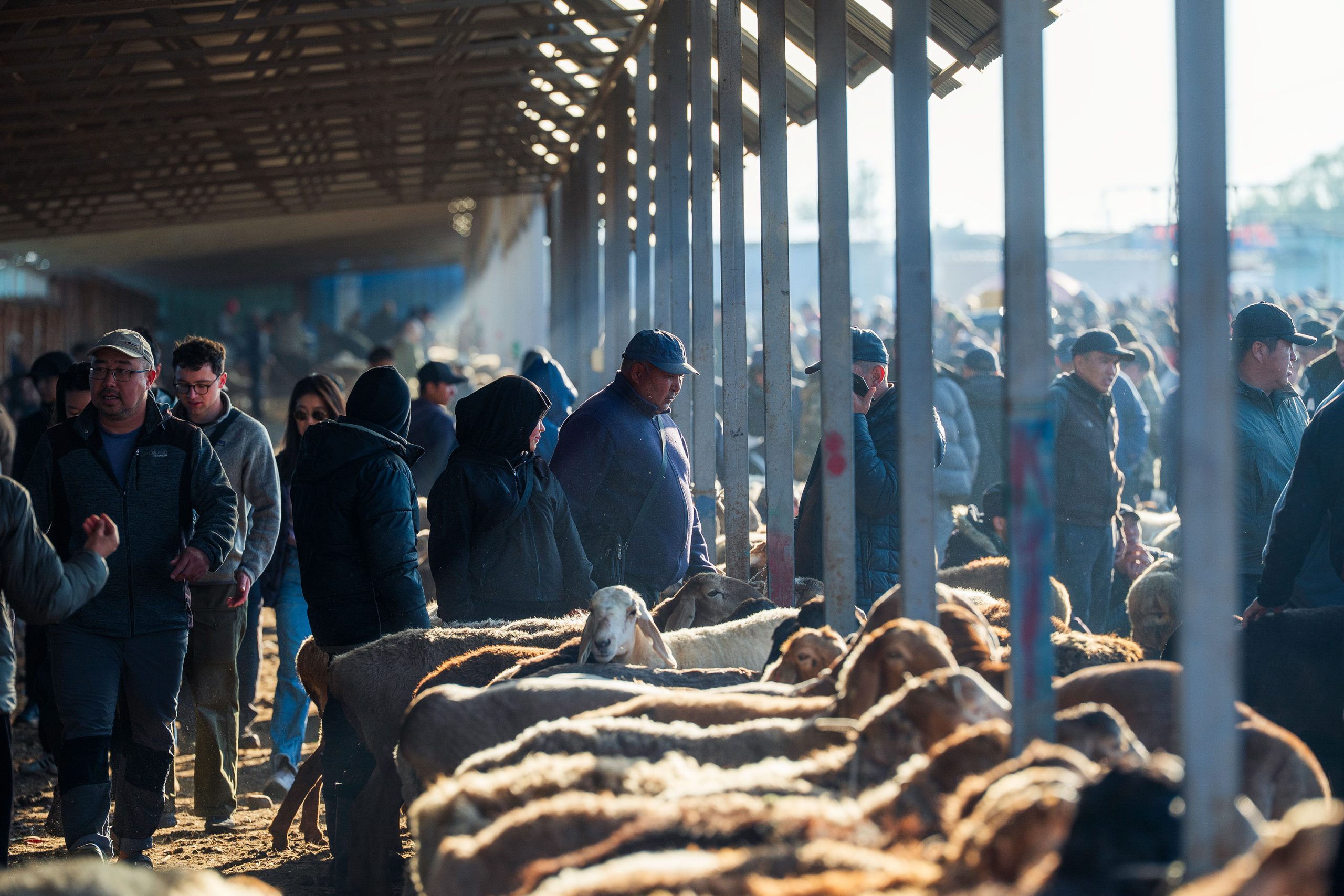
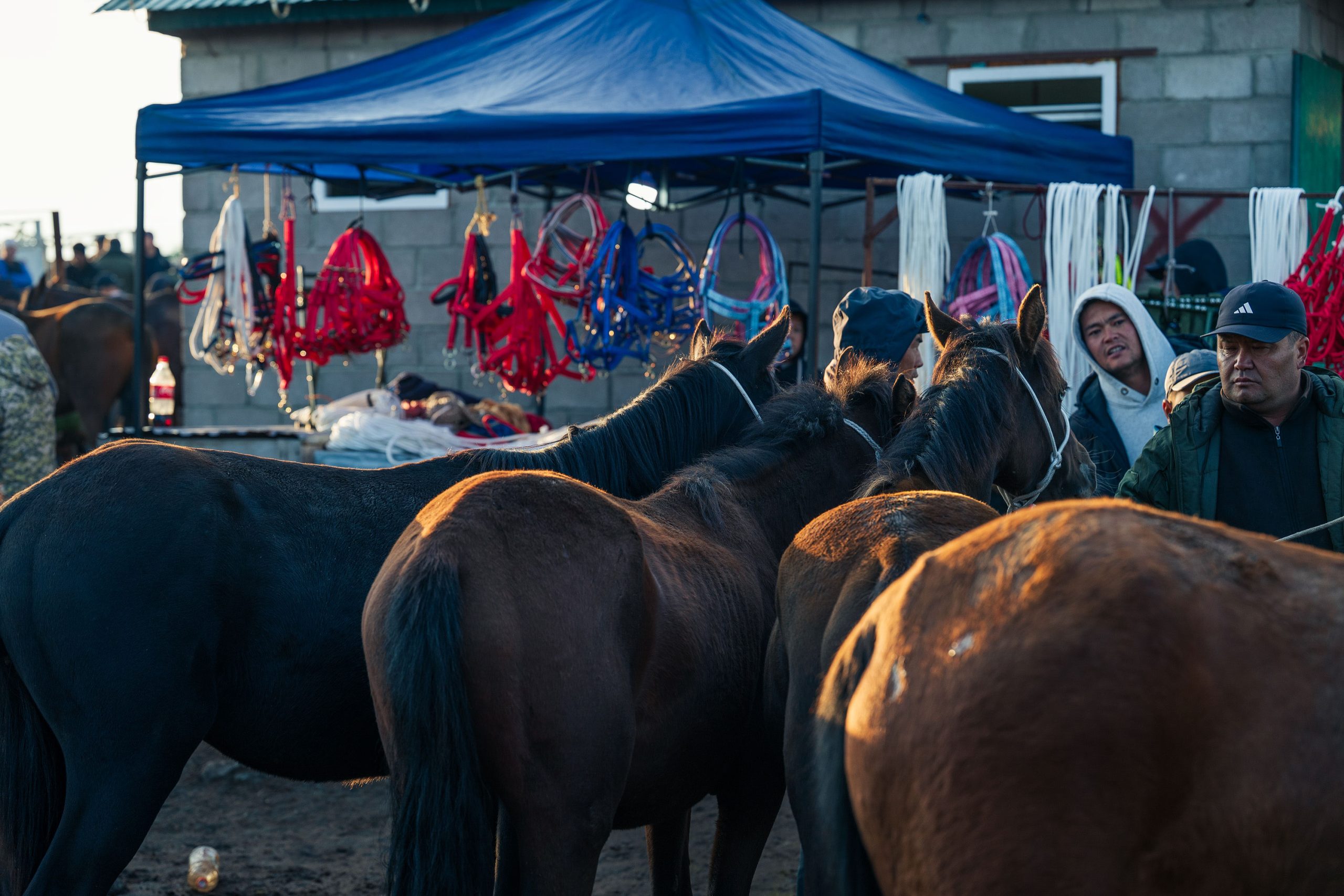
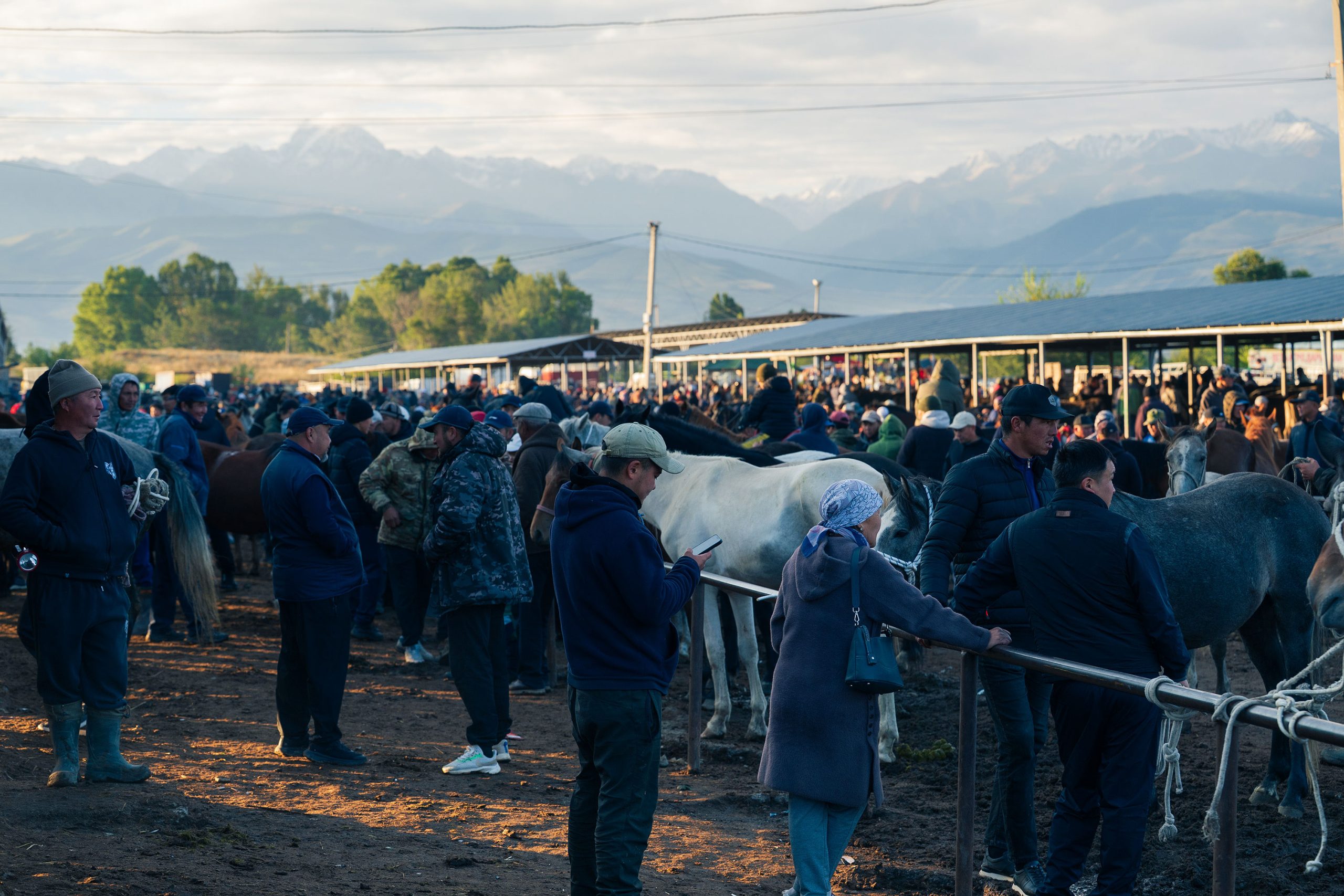
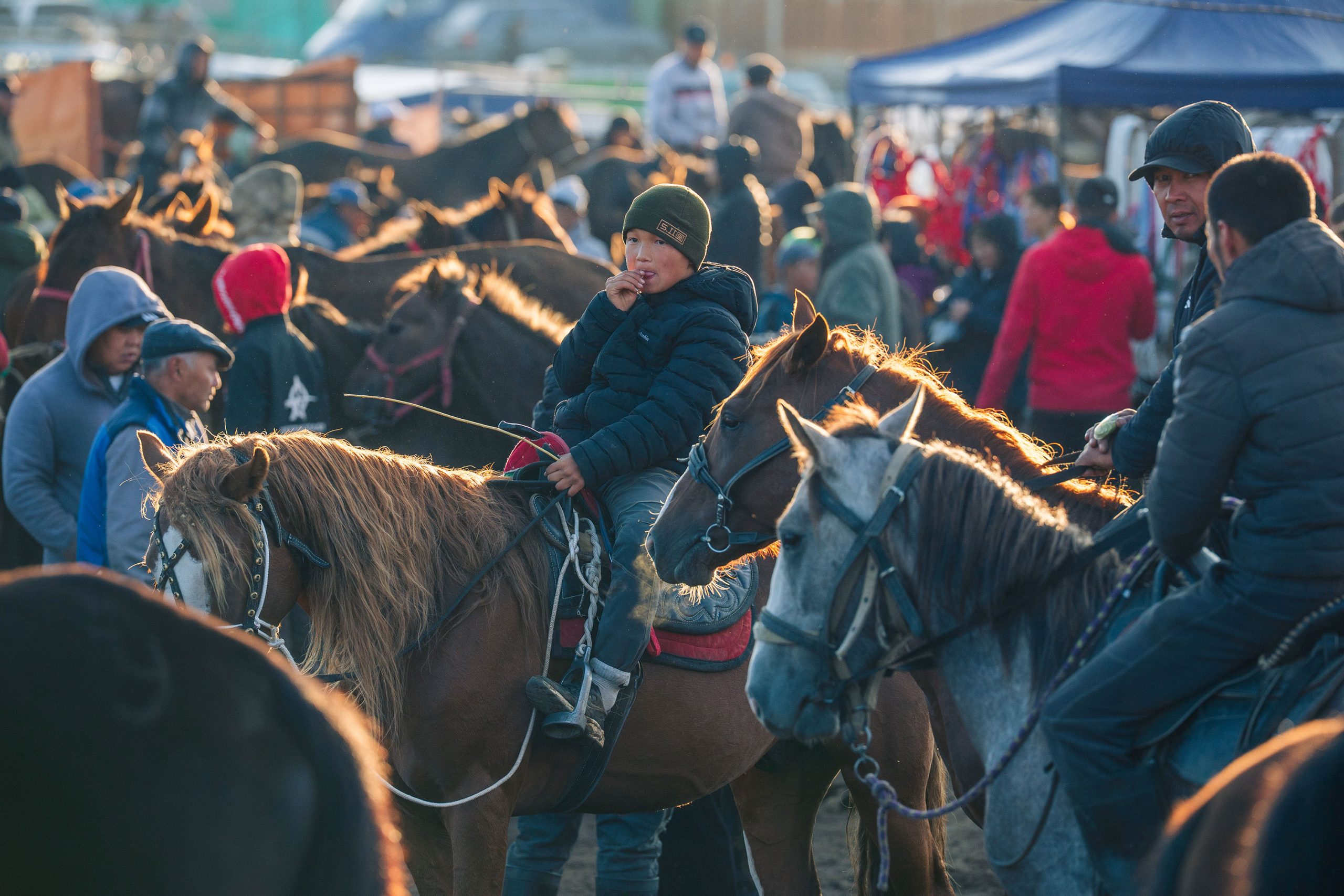
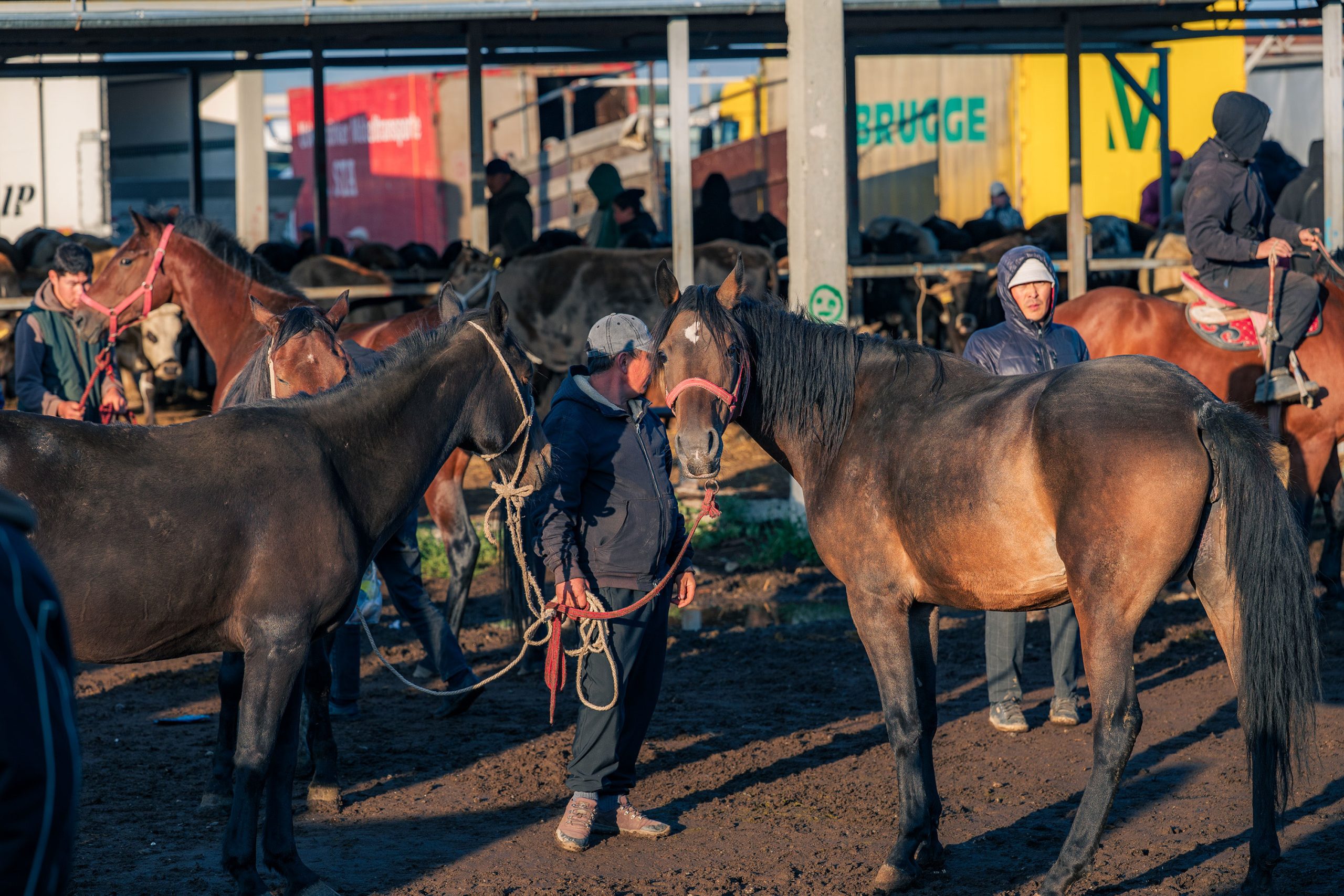
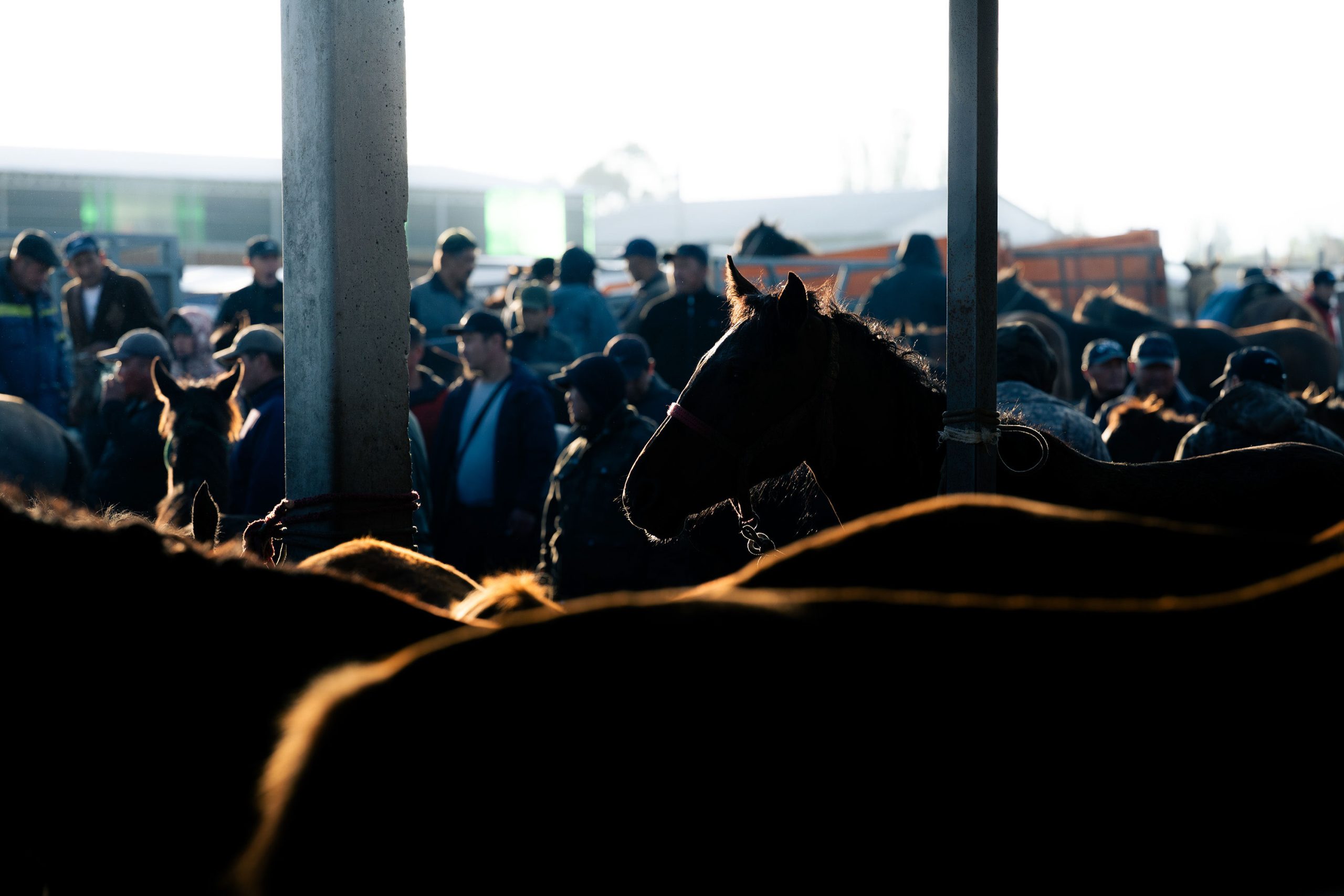
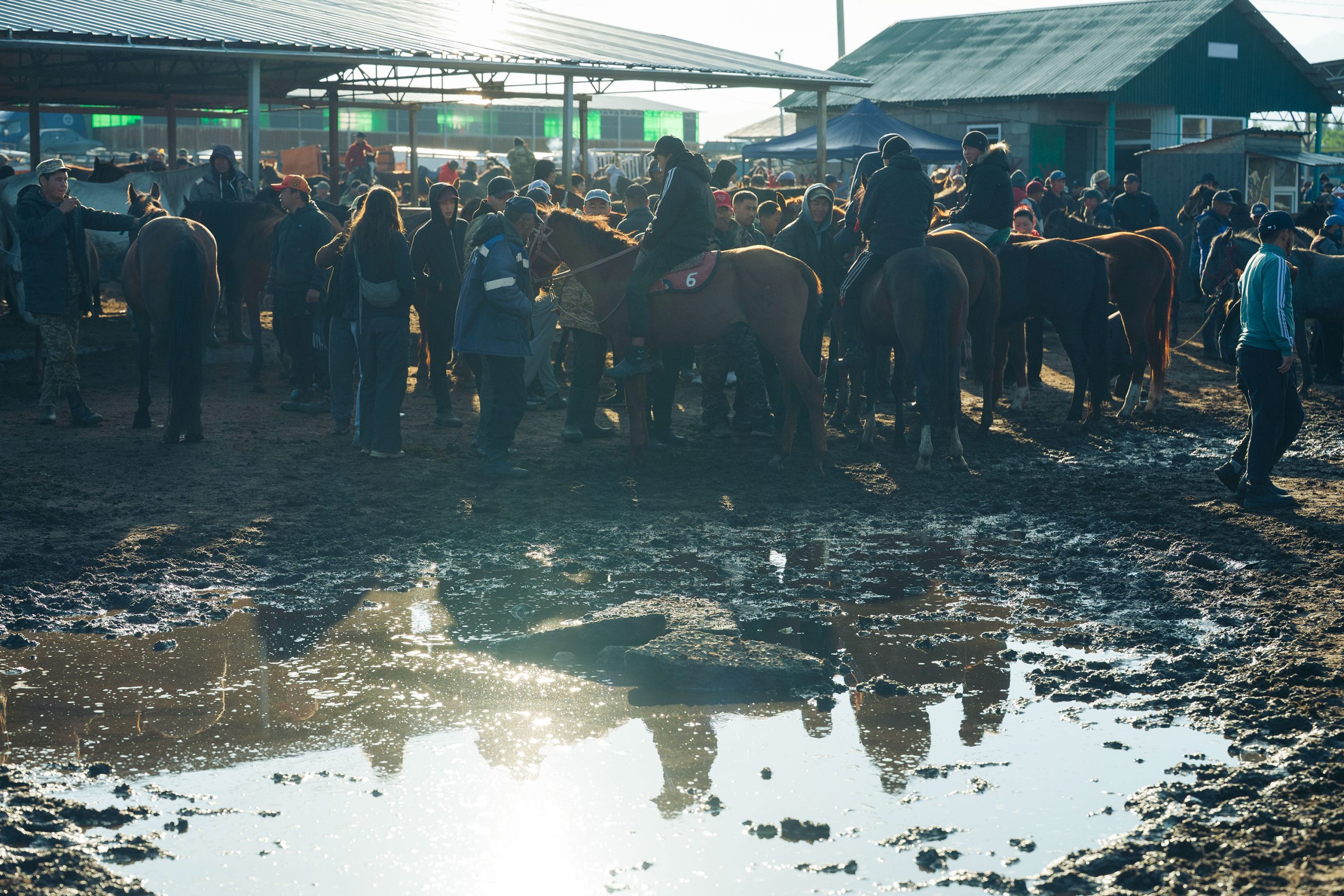
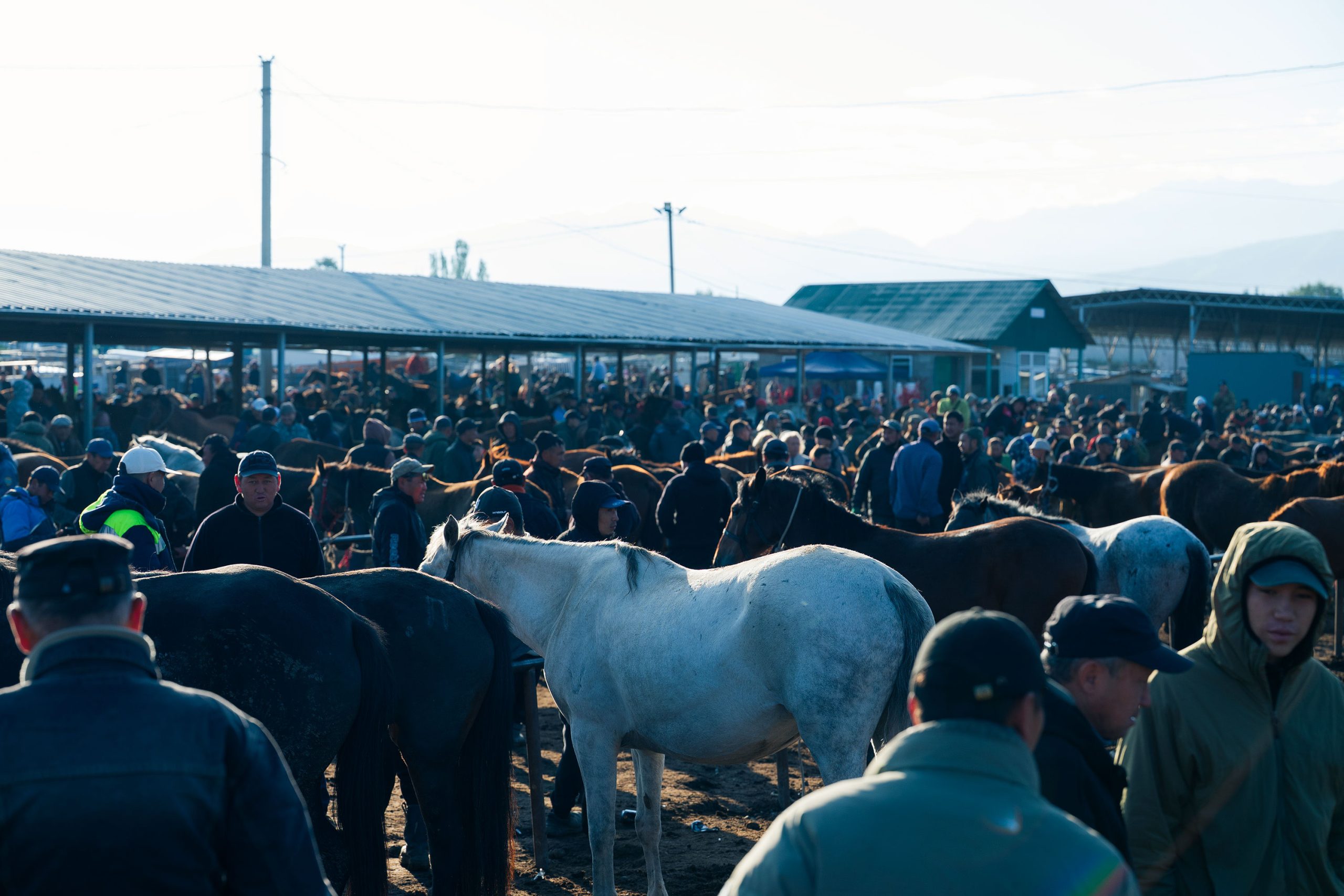
If you want to see Kyrgyzstan the way it has looked for generations, skip the museums and head to the edge of Karakol before sunrise. Every Sunday, herders from across the Issyk-Kul region drive their horses, sheep and cattle into a dusty field on the northern outskirts of town, and for a few hours the Karakol Animal Market turns into one of the most vivid, least staged scenes you’ll find anywhere in Central Asia.
The Karakol Animal Market dates back to 1869, founded the same year as the city itself, when it was still known as Przhevalsk. Trading originally took place where the town’s clothing bazaar stands today, before the livestock trade moved to its current site on the edge of the city. More than 150 years later, the rhythm of the market has barely changed: herders arrive at dawn, deals are struck by mid-morning, and by 10 a.m. the field empties out as quickly as it filled.
The Karakol Animal Market runs every Sunday, starting at first light. If you want to catch it in full swing, plan to arrive right around sunrise — trading winds down fast, and by 10 a.m. it’s essentially over.
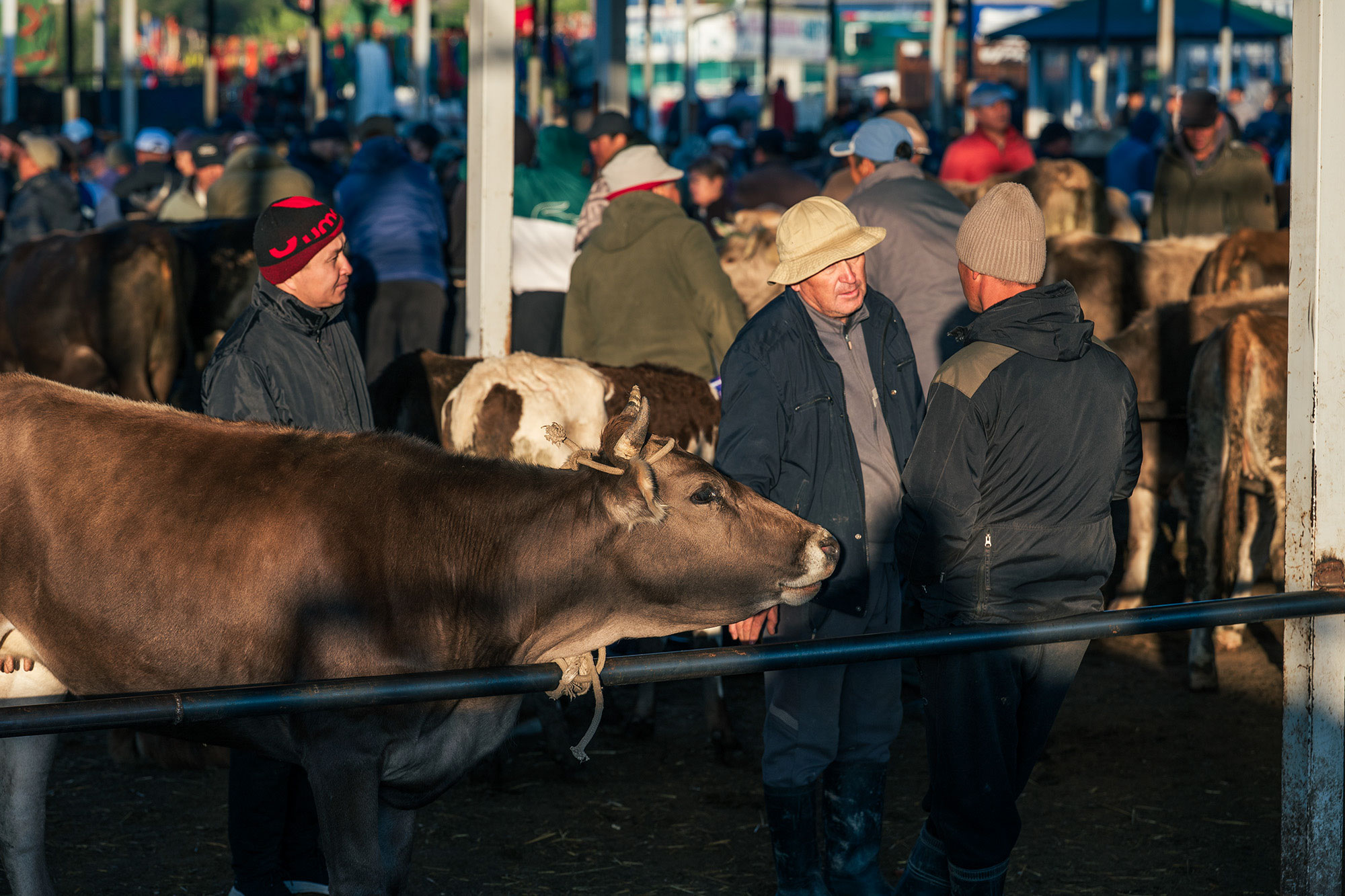
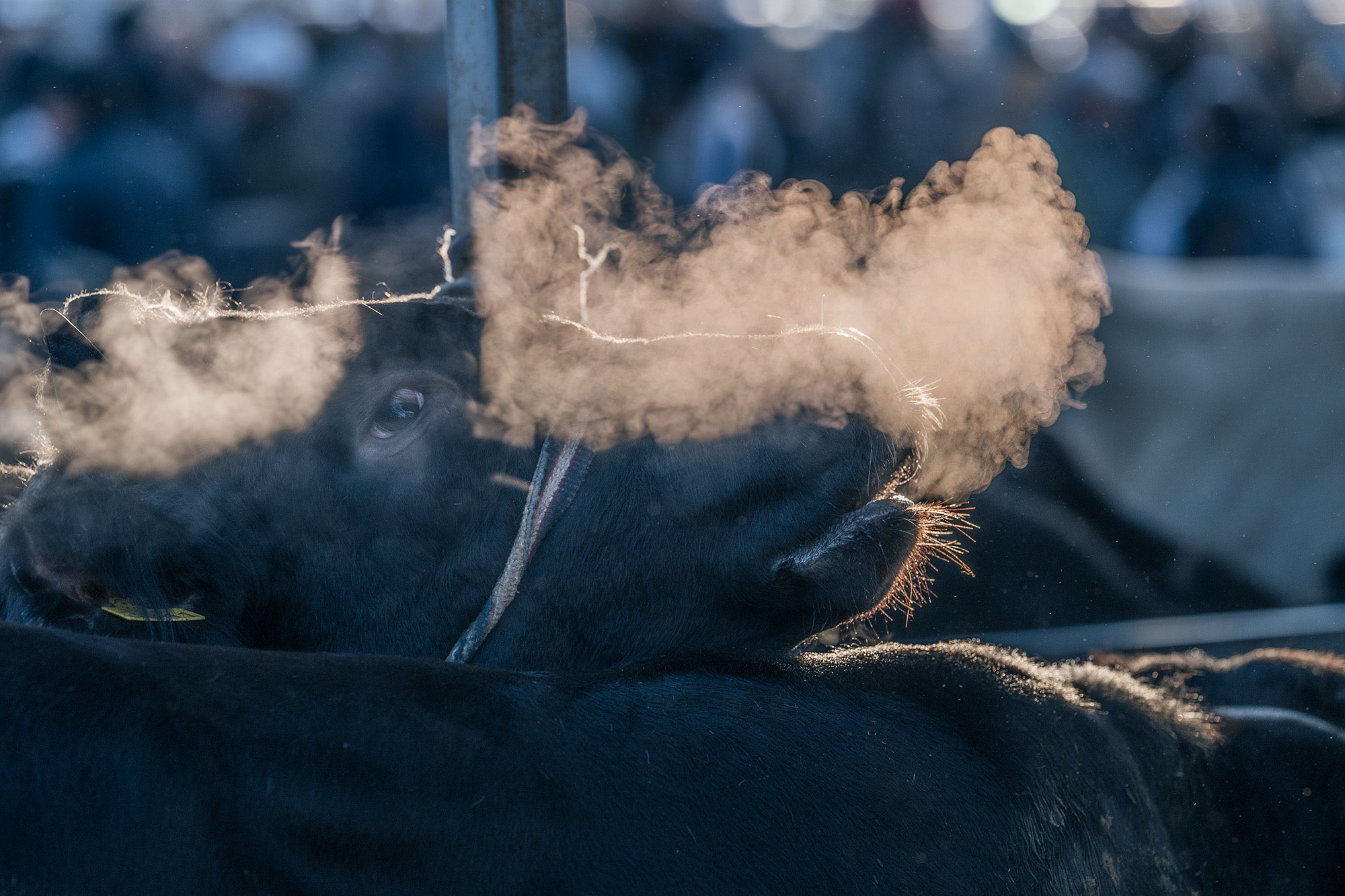
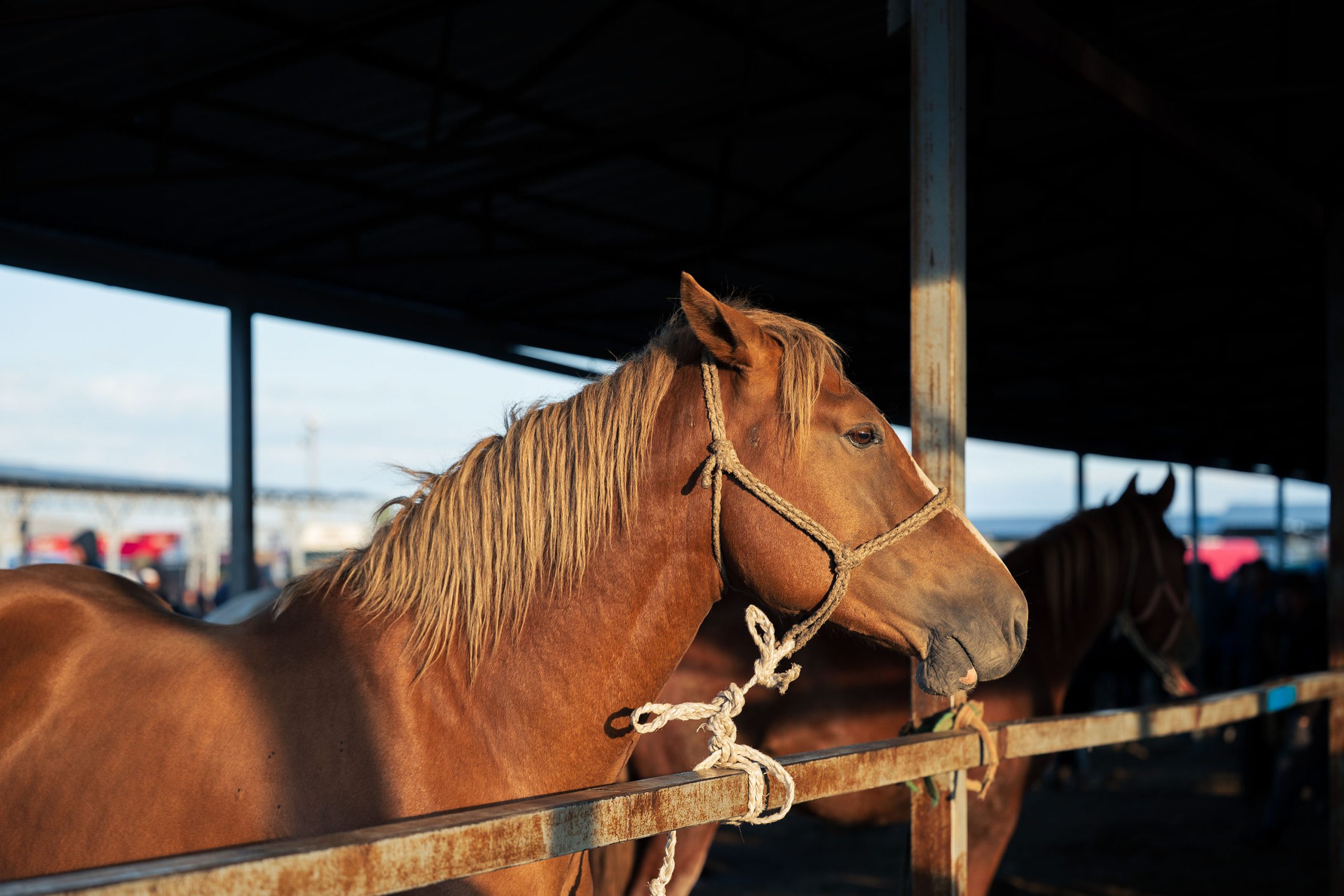
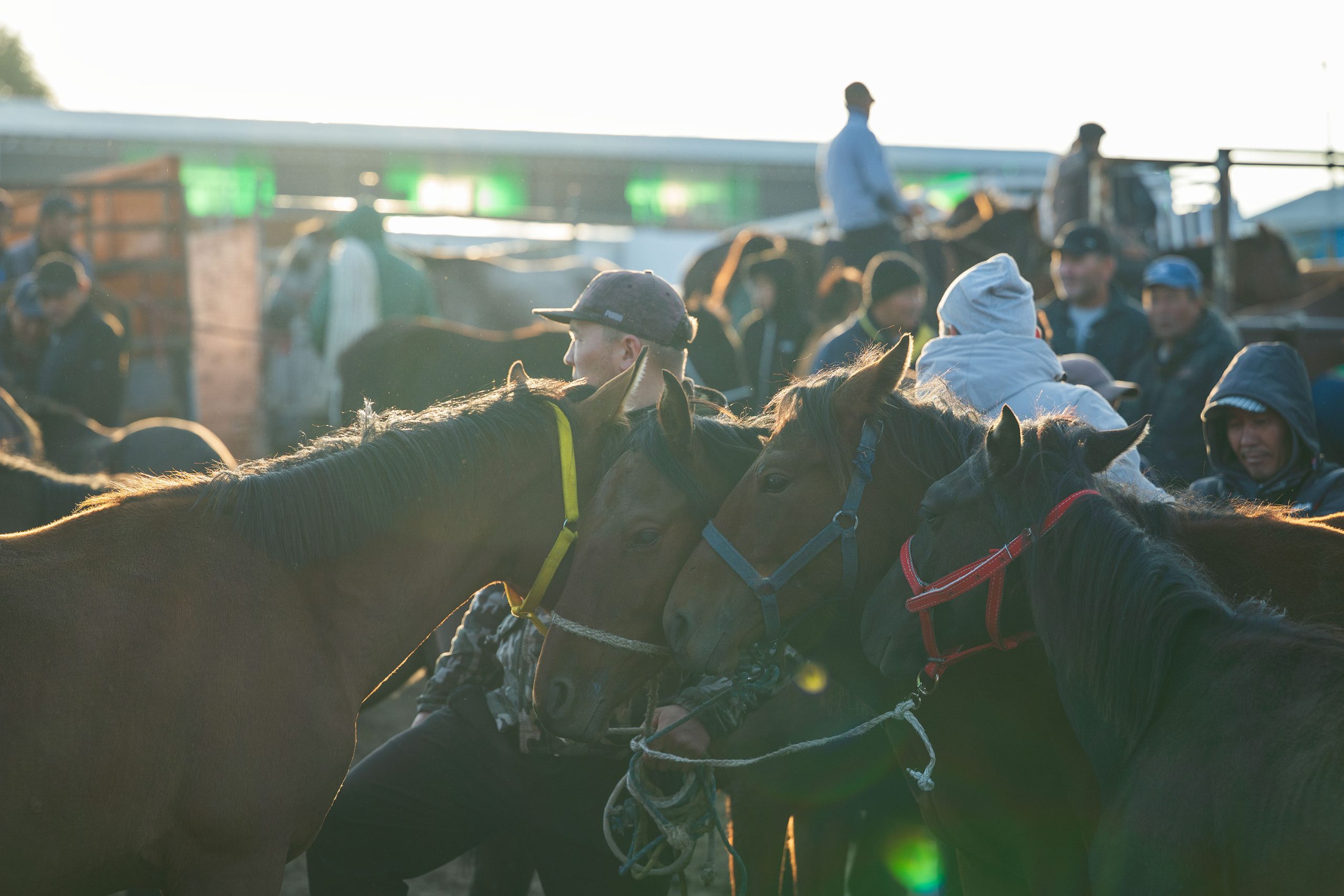
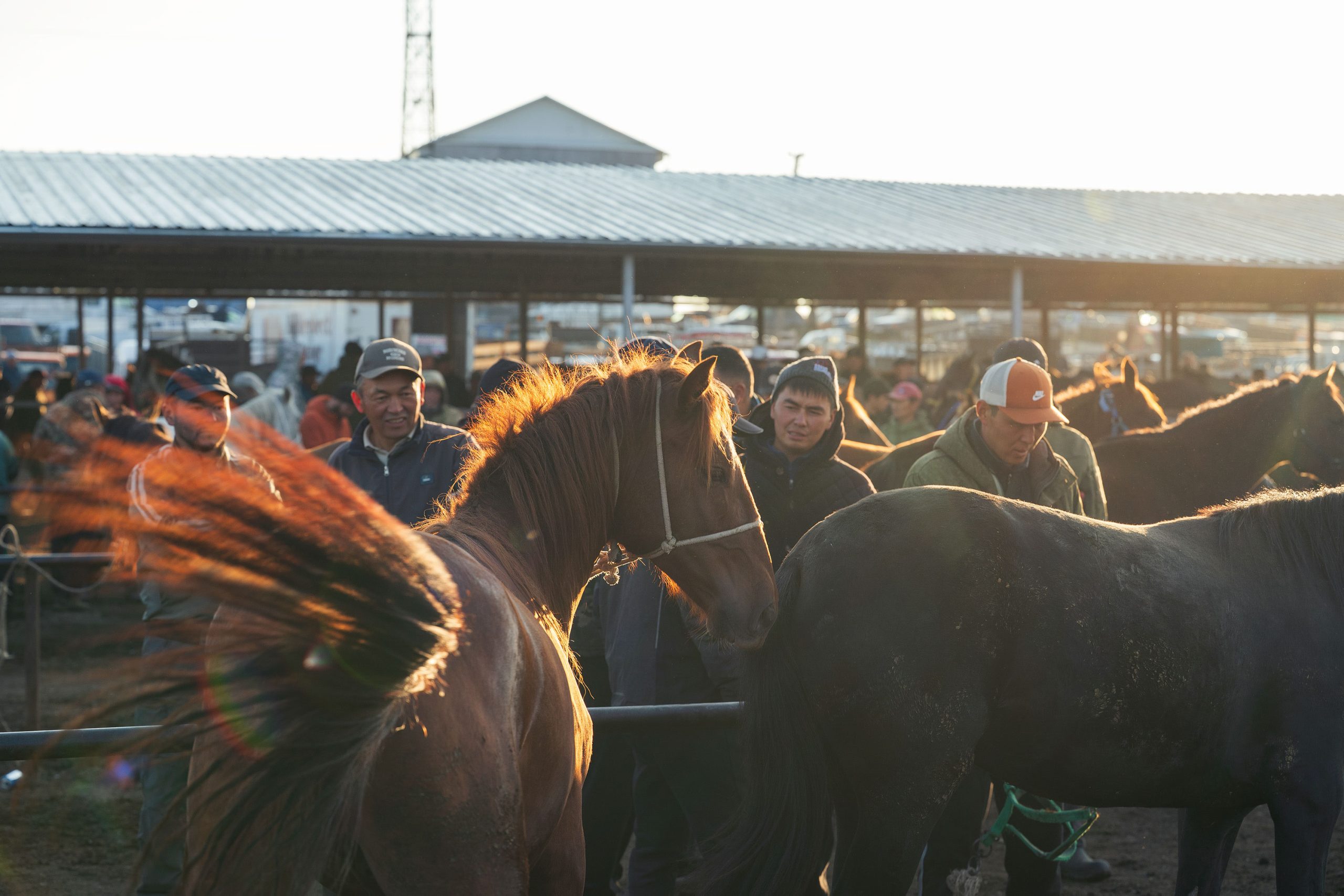
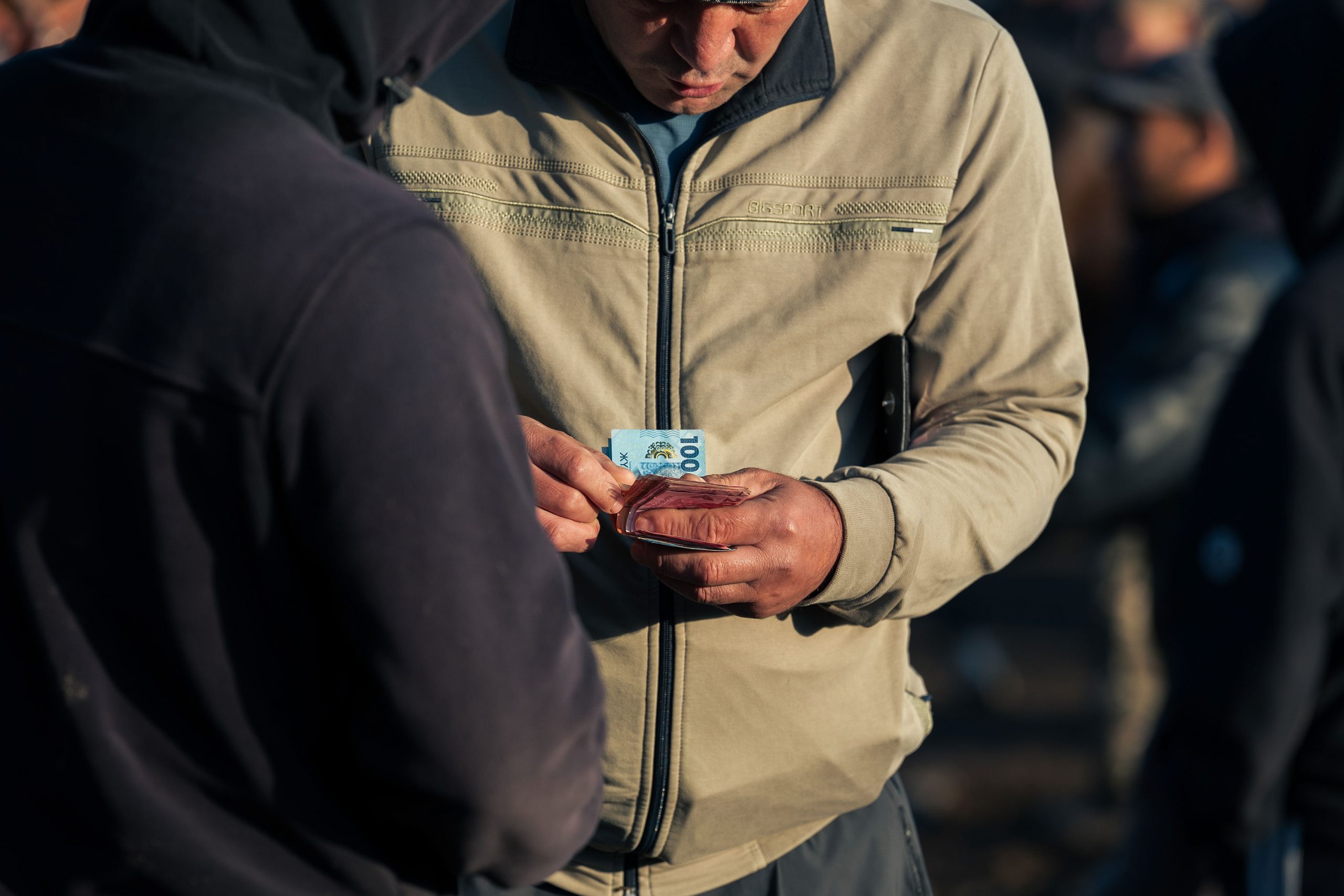
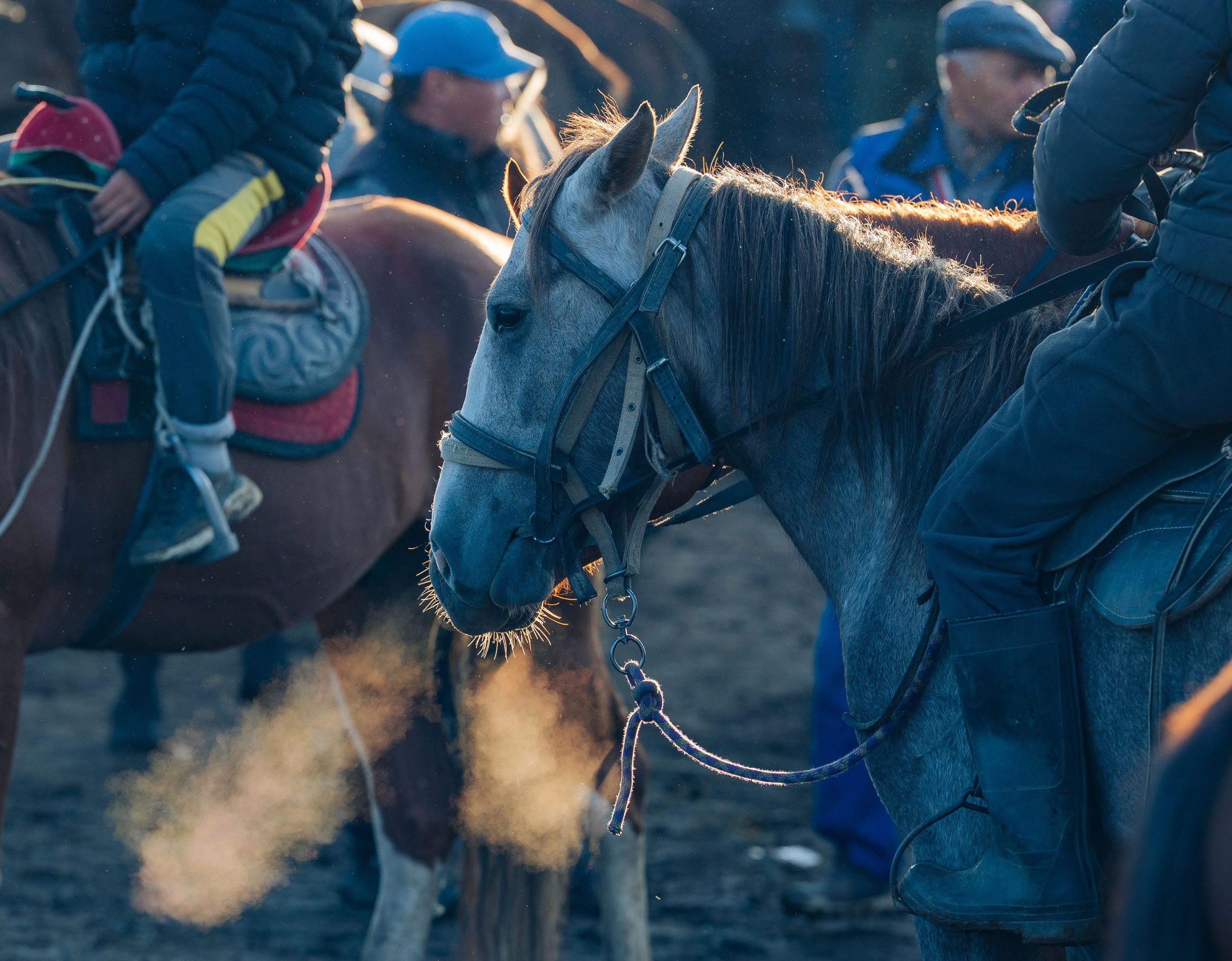
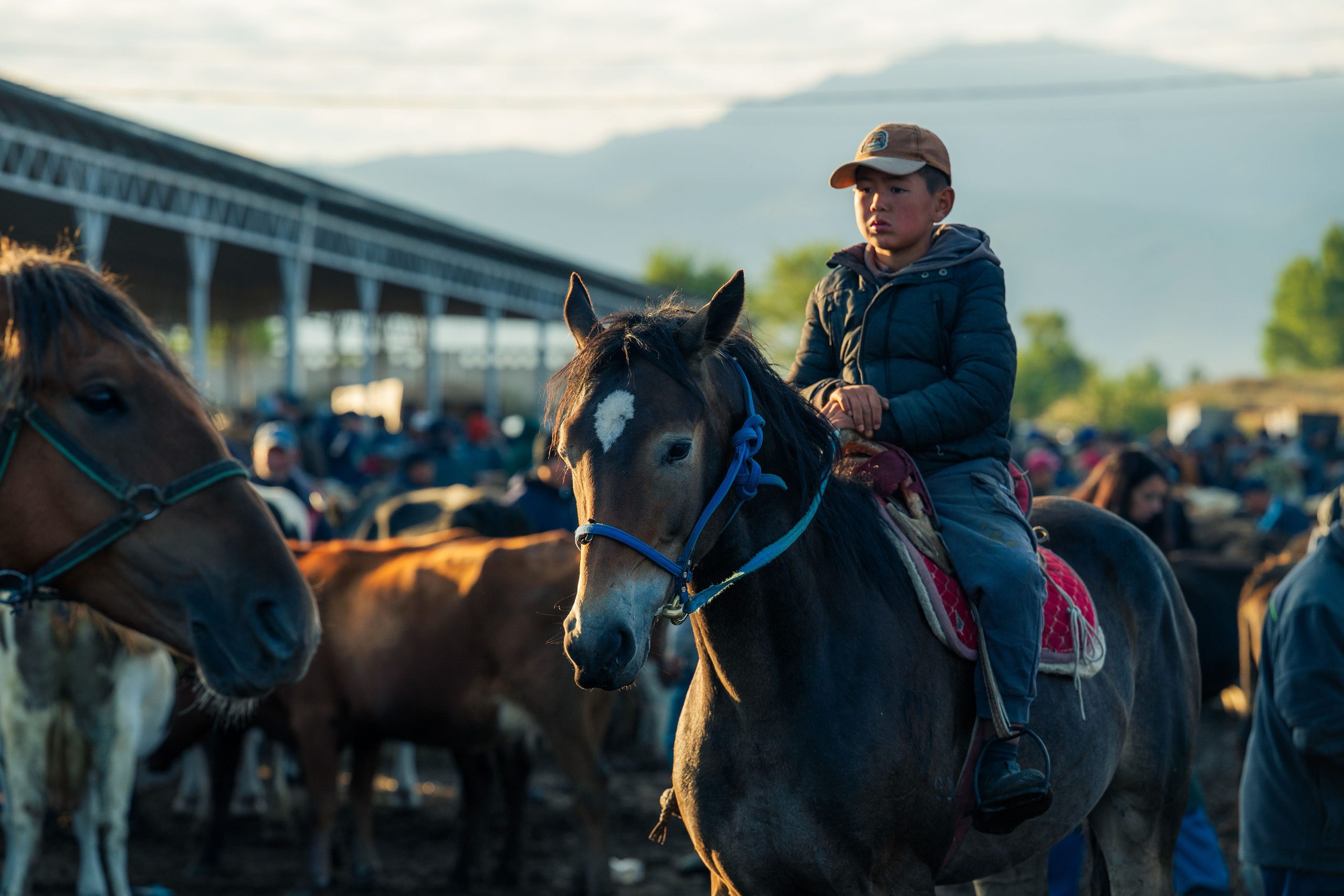
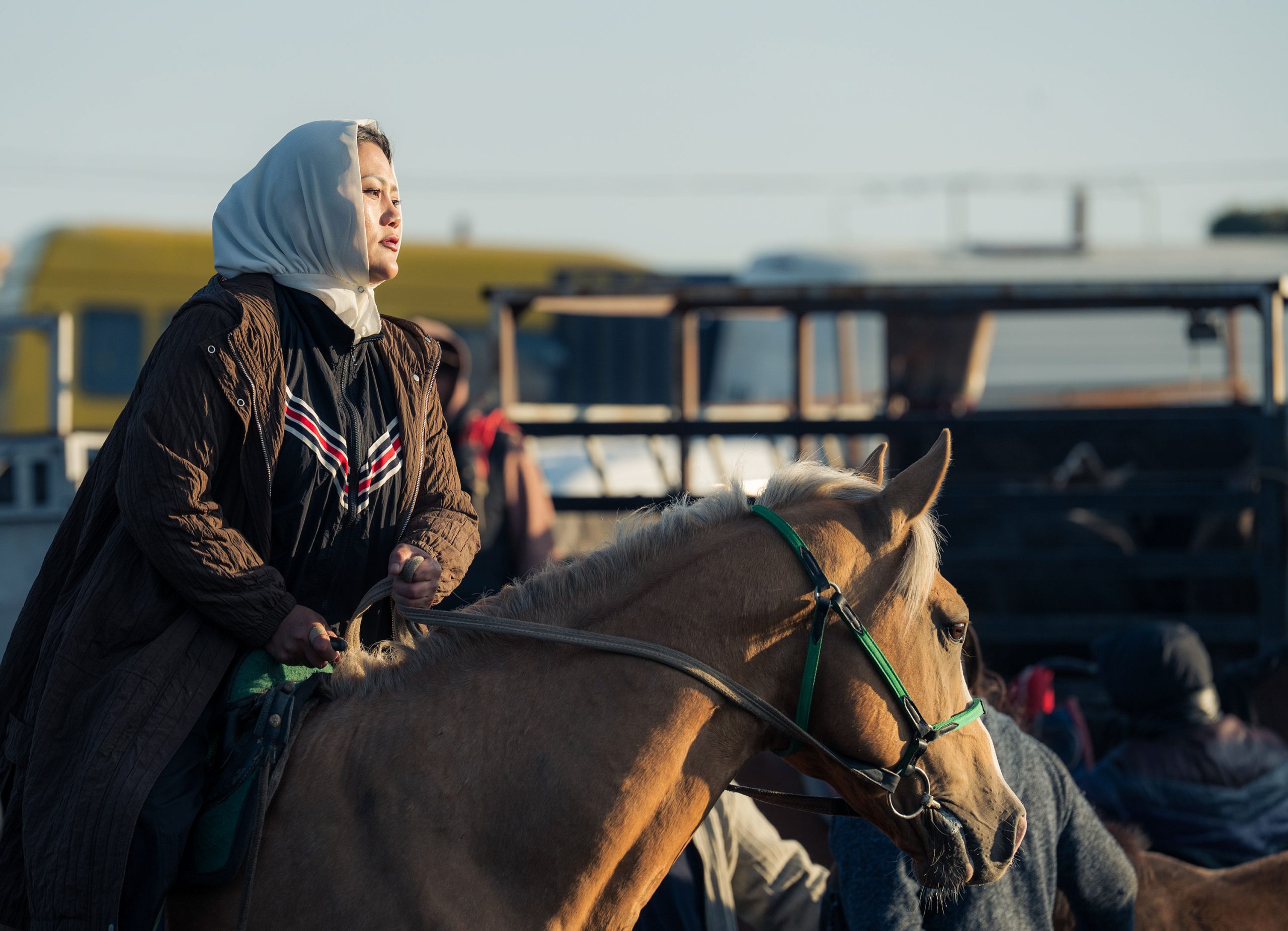
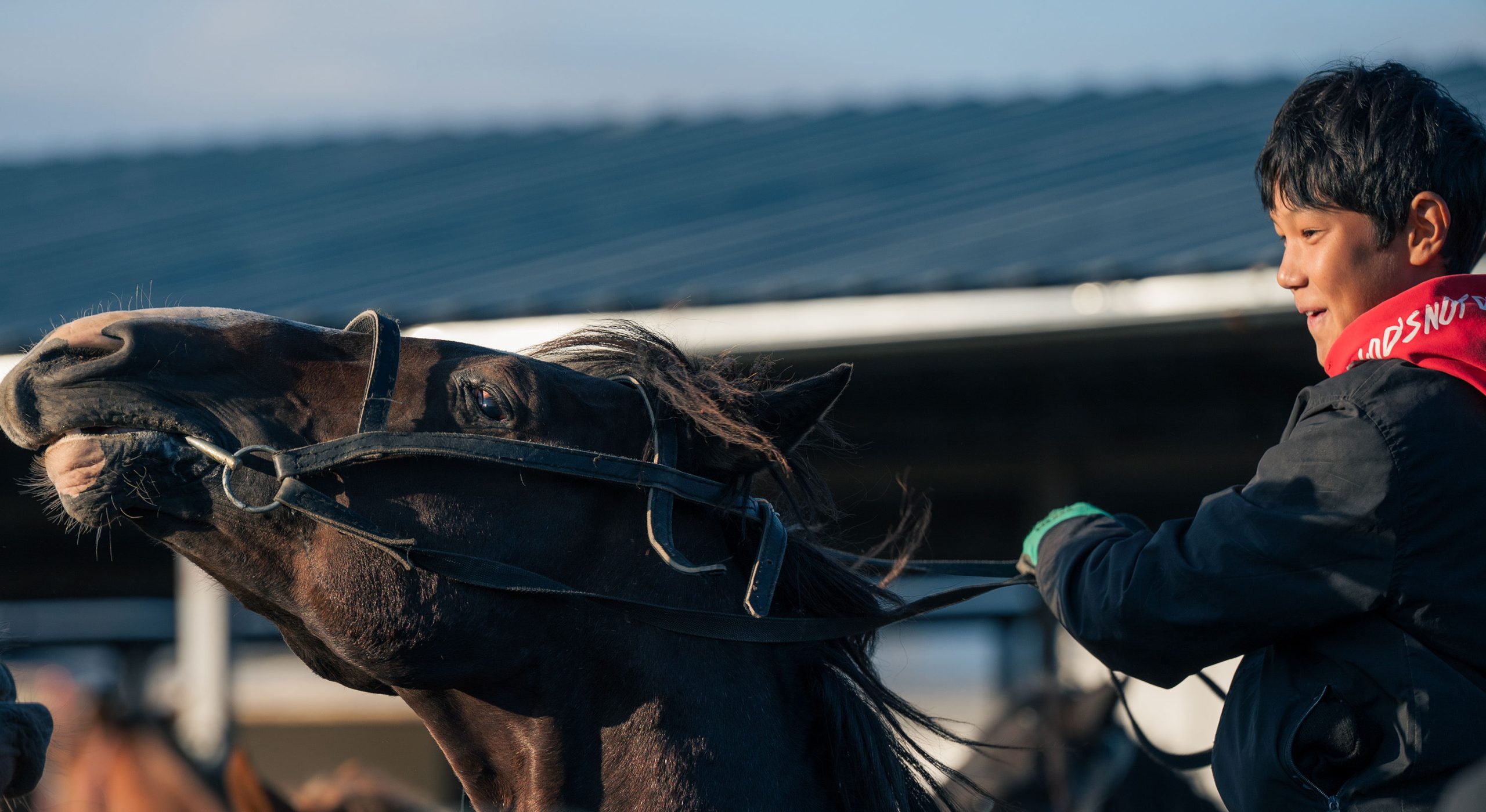
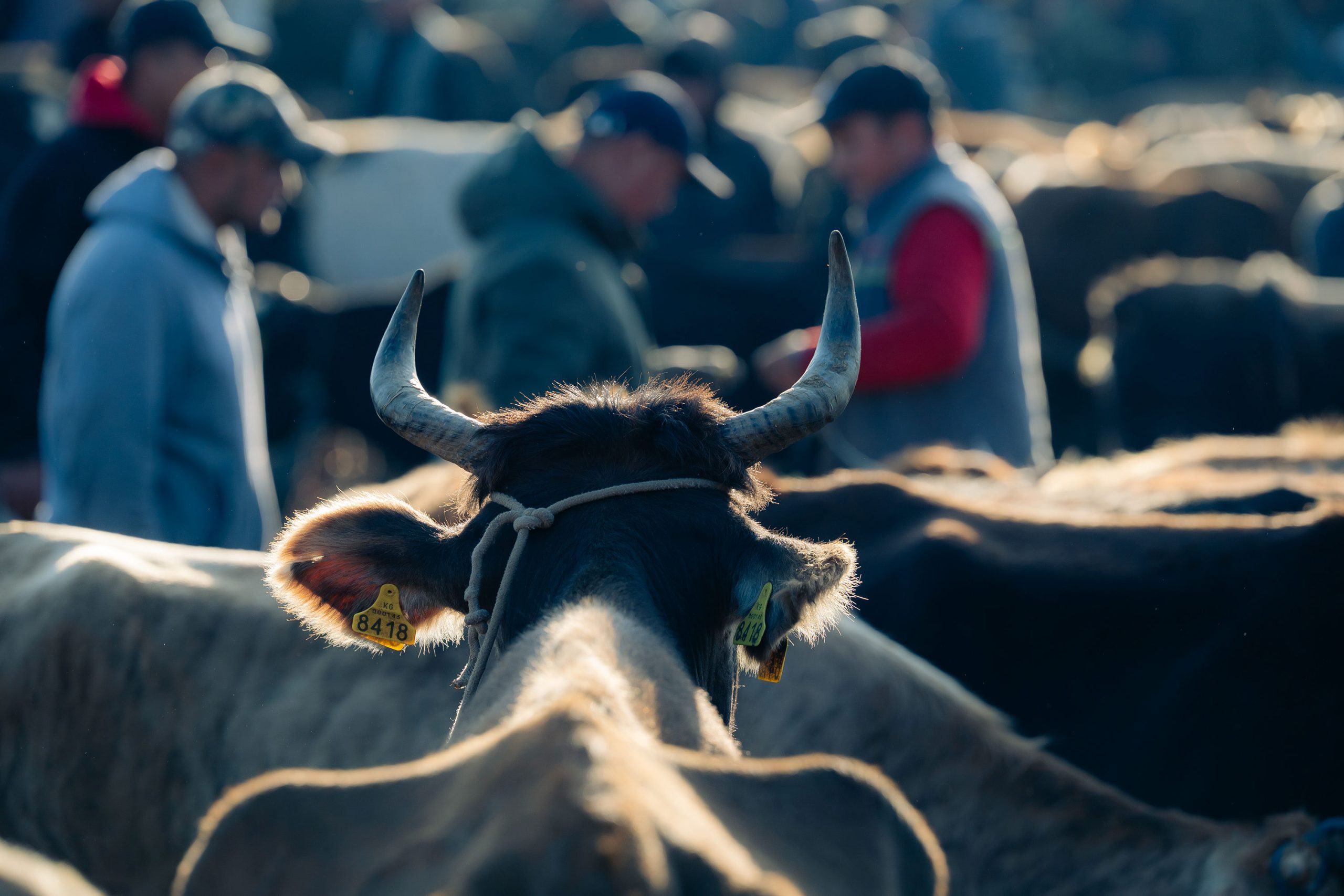
Horses and sheep are the stars of the market, traded in separate enclosures, with cattle changing hands in smaller numbers. Buyers inspect animals the old-fashioned way: a horse might be taken for a short test ride right there in the field before a price is agreed. Resellers typically clear anywhere from 3,000 to 15,000 som per head, depending on the animal’s type and condition.
What strikes most visitors first isn’t the noise or the haggling — it’s the calm. For all the activity, the market feels more like a country fair than a trading floor: unhurried, dignified, and full of elderly Kyrgyz men in traditional white kalpaks discussing bloodlines and prices over the backs of their animals.
In summer, the Karakol Animal Market draws a steady trickle of foreign visitors, and it’s now marked as an official sight on city maps. It’s easy to see why: this is rural Kyrgyz life exactly as it has played out for over a century, with no performance for tourists and no entrance fee. Travelers familiar with the region sometimes compare it to the famous Sunday market in Kashgar, just across the border in China — smaller in scale, but arguably more authentic for exactly that reason.
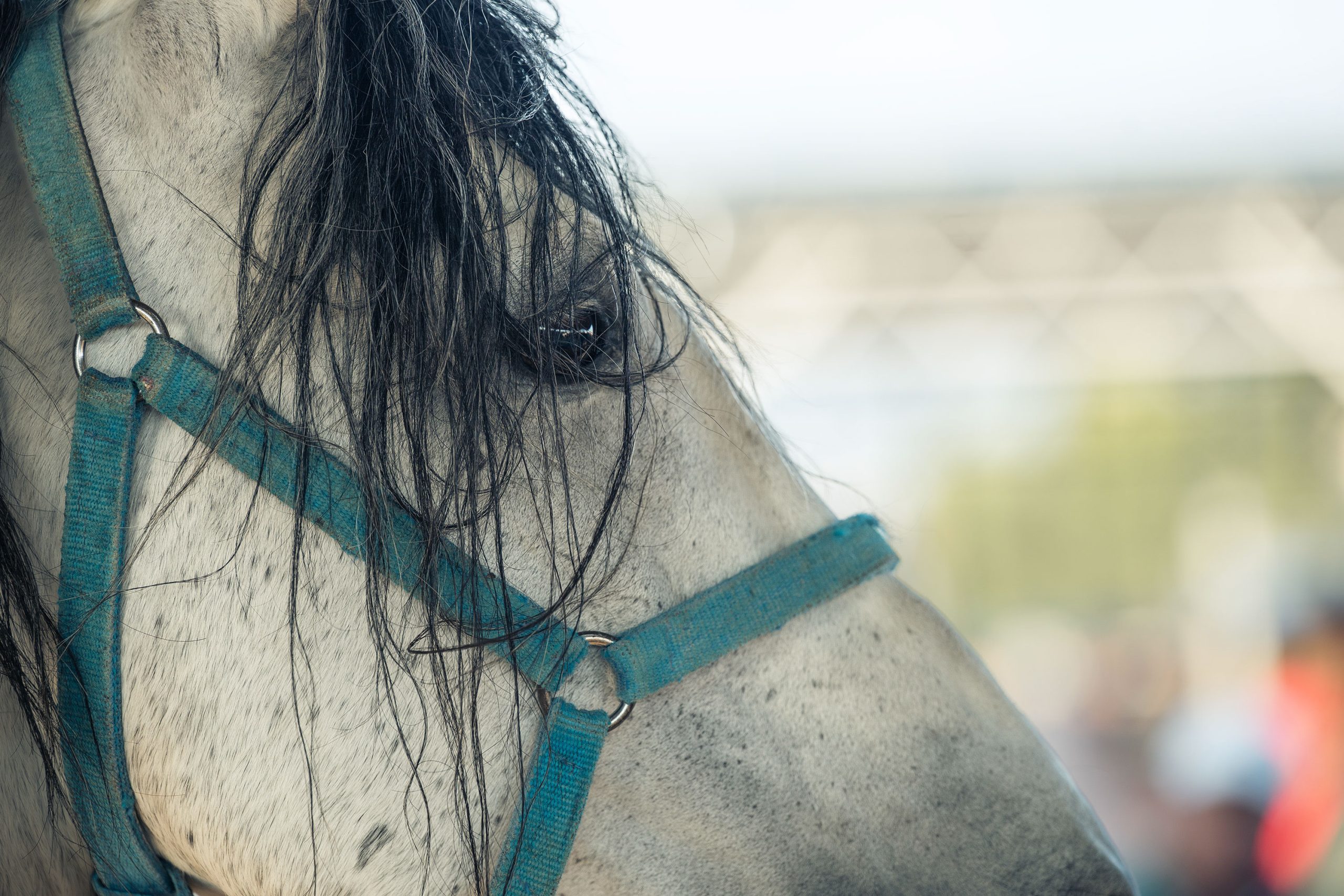
For photographers, it’s a goldmine: weathered faces, traditional dress, horses mid-negotiation, and the wide-open light of an Issyk-Kul morning. For anyone curious about how Kyrgyz nomadic culture still shapes daily life, it’s one of the clearest windows you’ll find.
If your Kyrgyzstan itinerary includes time around Issyk-Kul — whether you’re heading into the mountains for a trek or horseback trip, or simply exploring the lake region — building in an early Sunday morning at the Karakol Animal Market is well worth the early alarm. Because it runs weekly, it’s one of the easiest authentic experiences to fit into almost any schedule — just remember trading is over by mid-morning.
Planning a trip to Issyk-Kul or the Tian Shan mountains? [Kyrgyzstan Tourism] can build the animal market into a wider itinerary of trekking, horseback and cultural tours around the lake.
Tell us about your travel plans and we'll craft a personalized proposal within 24 hours. No pressure, no generic packages — just a genuine conversation about your dream trip.
Perfect for culturally curious travelers who want more than a standard sightseeing trip. Ideal for those who want a balanced combination of nature, authentic nomadic life, UNESCO heritage cities, and real Silk Road history — all in one seamless journey across three countries.