Issyk-Kul is the calling card of tourism in Kyrgyzstan, the ‘pearl of Central Asia’, attracting thousands of vacationers every year. They come for the mountains, sun, water, and the feeling of a real resort. But behind the facade of perfect service, behind the fences of boarding houses, lies a depressing mess – and this contrast threatens the reputation of the entire region.
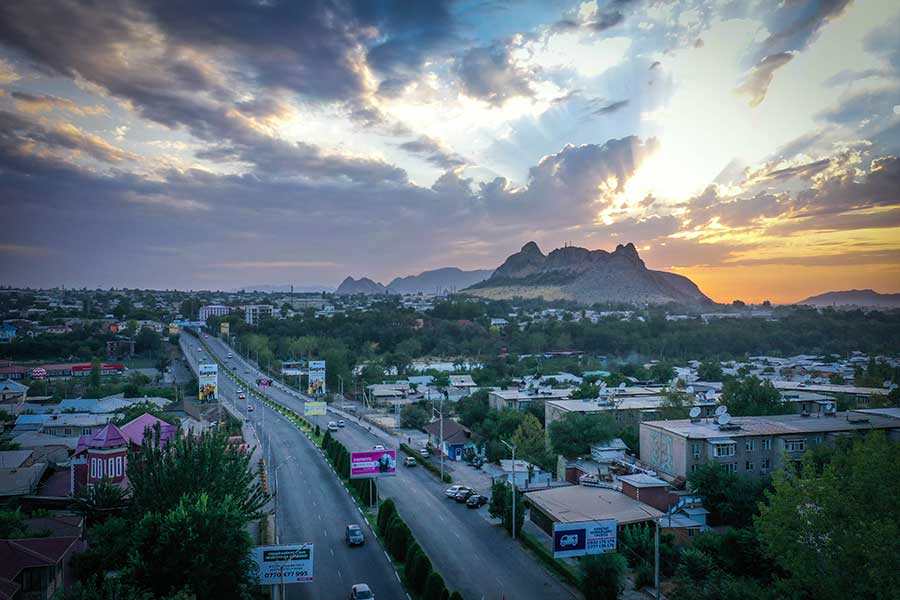
Inside – perfect cleanliness, thoughtful landscape design, well-groomed beaches, and service to be proud of. But as soon as you step out the gate, you are met with spontaneous trade, visual chaos, pothole-ridden roads, clouds of dust, complete absence of sidewalks, and any reasonable navigation. This sharp, painful contrast breeds a sense of deception and distrust in the tourist: ‘If there’s such a mess right at the gates, what lies ahead?’ In the era of universal accessibility of reviews and social networks, such negativity spreads at lightning speed, instantly influencing the choices of future guests.
Access roads to recreation areas are the region’s first ‘calling card’, its first impression. Broken roads and littered verges create a persistent sense of temporariness, abandonment, and lack of a caring owner. A tourist is ready to put up with some simplicity of infrastructure in secluded mountain corners, but not with neglect in the heart of the resort area, where they have the right to expect a basic level of comfort and, most importantly, safety.
Spontaneous cafes and trading points undoubtedly play an important social role, providing jobs for the local population. However, their chaotic placement, screaming signs, lack of basic sanitary zones, and unified style turn these spaces into an outright ‘open-air bazaar’. This not only hits aesthetics but also harbors serious risks to the health and safety of vacationers.
Boarding houses and rest homes owned by different owners often design their territories in completely different styles. The result is a depressing visual dissonance: fonts, colors, banners, and signs clash furiously with each other instead of creating a unified, harmonious resort image. The absence of clear, understandable standards for the external appearance of tourist infrastructure is a systemic error that catastrophically affects the perception of the region as an organized and modern tourist destination.
What can and should be done right now:
Infrastructure is a priority, not ‘someday’. Reconstruction of access roads, arrangement of sidewalks, lighting, and bus stops is the absolute minimum for any resort area. Without this, any investments in the hotel sector will only work halfway.
Legalization and ordering of street trade. No need to ban – need to organize: designated zones for cafes and trading points, unified appearance requirements, strict sanitary standards, and clear rental rules.
Cleanliness as a daily standard. Arrangement of container sites, regular waste removal, strict fines for unauthorized dumps, and active involvement of business in maintaining cleanliness of adjacent territories.
Unified visual concept of the resort. Development of standards for signs and pointers (colors, fonts, sizes), creation of clear navigation for tourists, development of clear route maps. This is inexpensive but significantly enhances the sense of order and overall service level.
Work with the local population. Training in basics of service, sanitary norms, and hospitality will help turn spontaneous trade into civilized small business beneficial to all parties.
Issyk-Kul can and should remain the ‘pearl of Central Asia’ not only due to its natural beauty but also thanks to the highest quality environment. However, a dangerous and paradoxical situation is emerging: the resort sells comfort within its fenced territories but loses in the open space outside them. If we do not systematically address the external appearance – roads, order, design, navigation – the region risks losing tourist loyalty and its reputation as a promising tourist destination.
The paradox of ‘paradise inside – mess outside’ needs to be resolved immediately, before the active tourist season begins. Otherwise, every new year will start with the same encouraging words – and inevitable disappointments.
Tell us about your travel plans and we'll craft a personalized proposal within 24 hours. No pressure, no generic packages — just a genuine conversation about your dream trip.
Perfect for culturally curious travelers who want more than a standard sightseeing trip. Ideal for those who want a balanced combination of nature, authentic nomadic life, UNESCO heritage cities, and real Silk Road history — all in one seamless journey across three countries.