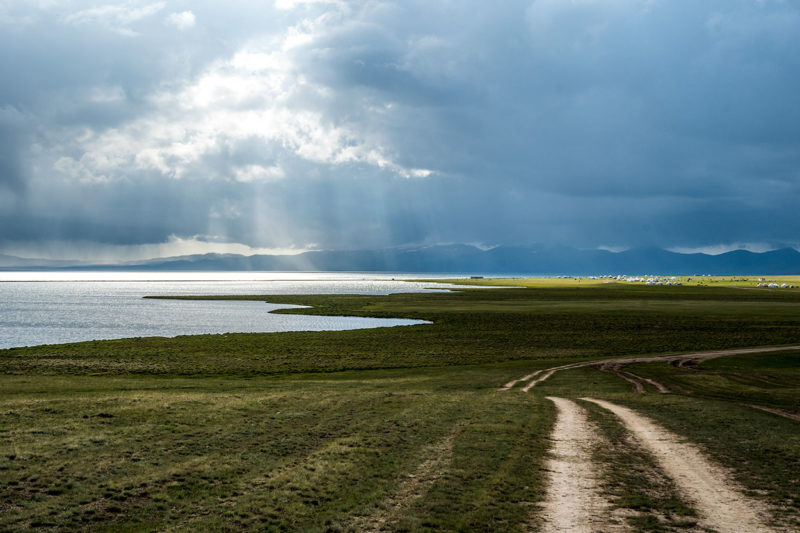
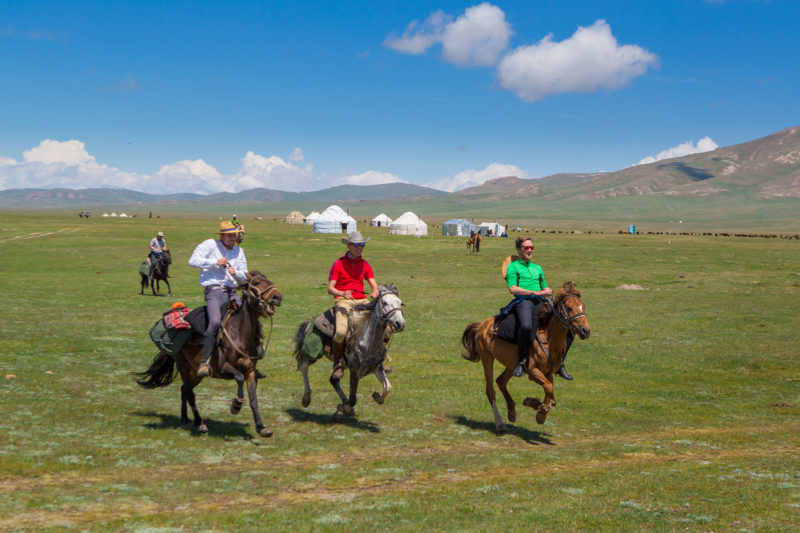
Kyrgyzstan is taking significant strides toward becoming a leader in sustainable tourism by focusing on the creation and development of geoparks in its mountain regions. A key symposium on this subject, held in Kadji-Sai in the Issyk-Kul region, marked an important milestone in the country’s commitment to preserving its geological and cultural heritage while promoting sustainable tourism. The event, part of the Five Years of Action for Mountain Regions Development (2023–2027), brought together key stakeholders from government, international organizations, academia, and local communities to explore the role of geoparks in sustainable tourism development in Kyrgyzstan’s mountainous landscapes.
A Collaborative Approach to Sustainable Tourism
The symposium was organized by the Special Representative of the President of Kyrgyzstan for the Mountain Agenda, Dinara Kemelova, in collaboration with several prominent international organizations, including the German Agency for International Cooperation (GIZ), Japan International Cooperation Agency (JICA), and the OSCE. These partnerships were pivotal in bringing together a broad spectrum of voices, including national and local authorities, international experts, and civil society groups, to discuss the future of geoparks in Kyrgyzstan.
The symposium provided a platform to explore how geoparks could help foster sustainable tourism by preserving natural and cultural heritage while supporting scientific research, green economy initiatives, and the livelihoods of local communities. Geoparks are increasingly recognized as a viable tool for sustainable tourism in mountain regions, combining environmental conservation with economic development. The event underscored the potential of geoparks to generate long-term economic benefits through responsible tourism that respects the environment.
Geotourism: A Growing Trend in Kyrgyzstan
Geotourism, a form of sustainable tourism that focuses on the geological and natural heritage of a region, is an essential part of the conversation about Kyrgyzstan’s future tourism strategy. Geoparks, recognized globally for their geological significance, are becoming a crucial part of the tourism offerings in Kyrgyzstan’s mountainous regions. The symposium highlighted how geoparks can provide a unique tourism experience that blends natural beauty, scientific exploration, and cultural heritage.
Among the primary goals discussed was the development of the Teskey Geopark on the southern shore of Issyk-Kul Lake, which is already in progress. The development of Madygen in the Batken region and a proposed geopark in Osh region were also key topics of discussion. These geoparks aim to preserve not only the geological and natural features of these areas but also the rich cultural heritage that makes Kyrgyzstan an attractive destination for tourists from around the world.
Geoparks: Driving Sustainable Economic Growth
One of the primary benefits of geoparks in Kyrgyzstan is their potential to drive sustainable economic growth through geotourism. With a strong focus on preserving the natural and cultural heritage of Kyrgyzstan’s mountainous regions, these parks are poised to attract tourists who are increasingly looking for destinations that offer more than just scenic views, but also opportunities to learn about the area’s geology and culture.
Kyrgyzstan’s efforts to join the UNESCO Global Geoparks Network were also discussed during the symposium. By aligning with UNESCO’s standards, Kyrgyzstan is positioning itself as an emerging leader in geotourism, which is expected to attract both regional and international visitors. Geoparks can serve as a unique tourism product that generates revenue for local communities, creates jobs, and supports the development of local businesses, all while ensuring the preservation of the environment.
Strengthening Legal and Institutional Support for Geoparks
An important topic at the symposium was the need to strengthen Kyrgyzstan’s legal and institutional framework for geopark development. Establishing a national coordination mechanism and a scientific network for research and knowledge-sharing were identified as critical steps in supporting the successful development of geoparks. The collaboration between government institutions, international organizations, and local communities was emphasized as key to ensuring that the development of geoparks aligns with national sustainable tourism goals.
By creating a solid legal and institutional framework, Kyrgyzstan can ensure that the benefits of geopark development are maximized, not only for tourism but also for scientific research and environmental conservation. Establishing a national coordination mechanism will help streamline efforts to promote geotourism and ensure the country’s integration into the global network of UNESCO geoparks.
The Role of International Organizations in Geopark Development
Representatives from international organizations like UNESCO, FAO, and GSLEP participated in the symposium, offering insights into the process of establishing and managing geoparks. These organizations play an essential role in providing technical expertise, research support, and guidelines for geopark development. Their involvement ensures that Kyrgyzstan’s efforts are aligned with global best practices, enhancing the potential for successful integration into the UNESCO Global Geoparks Network.
By collaborating with international bodies, Kyrgyzstan is not only enhancing its reputation as a sustainable tourist destination but also contributing to global efforts to preserve geological and cultural heritage. The symposium emphasized the importance of leveraging international cooperation to develop geoparks that meet global standards and support sustainable tourism and environmental conservation.
Empowering Local Communities Through Geoparks
One of the key points raised at the symposium was the importance of local community engagement in the development of geoparks. Experts agreed that for geoparks to be truly successful, local communities must be actively involved in their creation and management. This involvement ensures that the benefits of geopark development are felt by the people who live in these areas.
Local knowledge of the land, its history, and its culture is invaluable in the process of creating a geopark that is both scientifically sound and culturally respectful. By empowering local communities, Kyrgyzstan can create a model of sustainable tourism that not only preserves the environment but also improves the quality of life for local residents through job creation and economic development.
Conclusion: Geoparks as a Sustainable Tourism Strategy for Kyrgyzstan
The symposium on geoparks in Kyrgyzstan marked a significant step toward sustainable tourism development in the country’s mountain regions. By focusing on the preservation of geological, natural, and cultural heritage, while promoting tourism that benefits local communities, Kyrgyzstan is positioning itself as a leader in geotourism. The ongoing development of Teskey Geopark, Madygen, and Osh offers a promising future for sustainable tourism in Kyrgyzstan, attracting visitors and fostering economic growth in the country’s beautiful mountain regions.
By strengthening its legal and institutional frameworks, engaging with international organizations, and empowering local communities, Kyrgyzstan is laying the foundation for a robust geotourism sector that can support sustainable growth, protect its unique natural resources, and improve the livelihoods of its people. The symposium highlighted the importance of cooperation between government institutions, international partners, and local communities in creating a sustainable future for Kyrgyzstan’s geoparks and its tourism industry.
Tell us about your travel plans and we'll craft a personalized proposal within 24 hours. No pressure, no generic packages — just a genuine conversation about your dream trip.
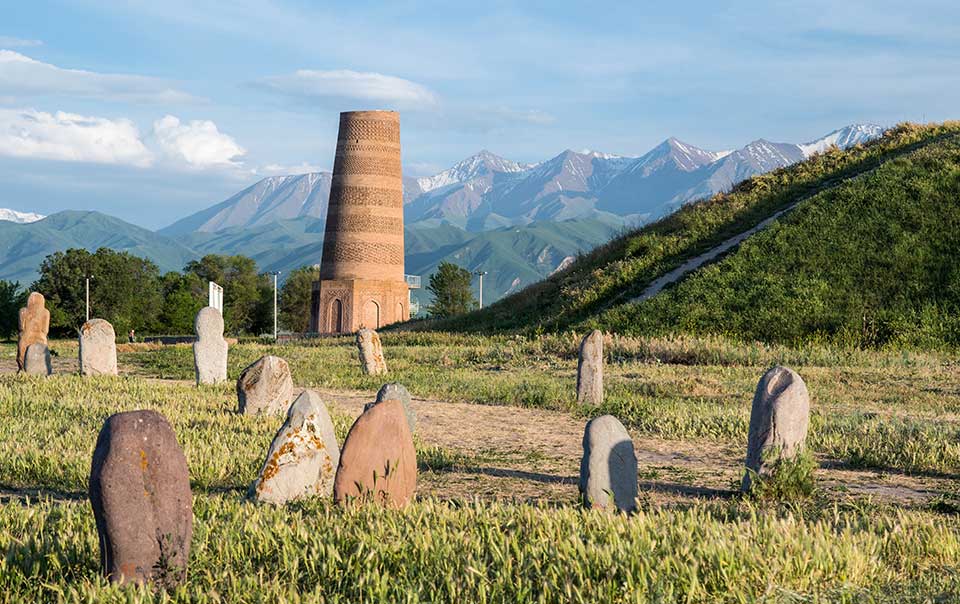
Perfect for culturally curious travelers who want more than a standard sightseeing trip. Ideal for those who want a balanced combination of nature, authentic nomadic life, UNESCO heritage cities, and real Silk Road history — all in one seamless journey across three countries.