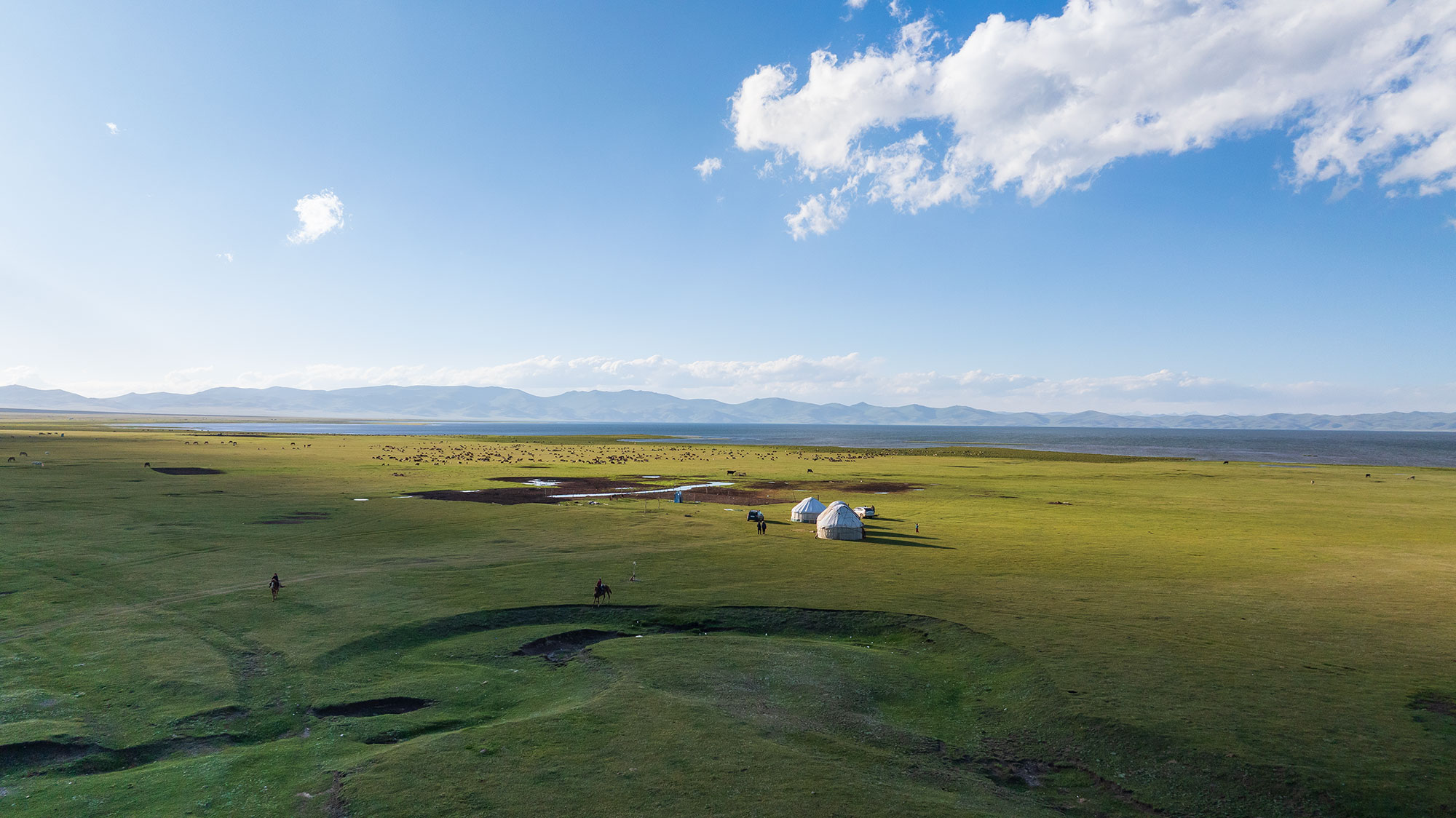
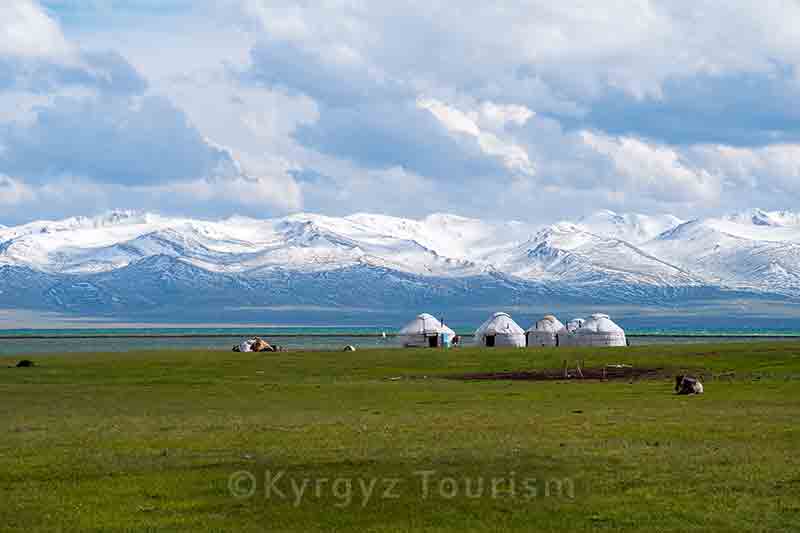
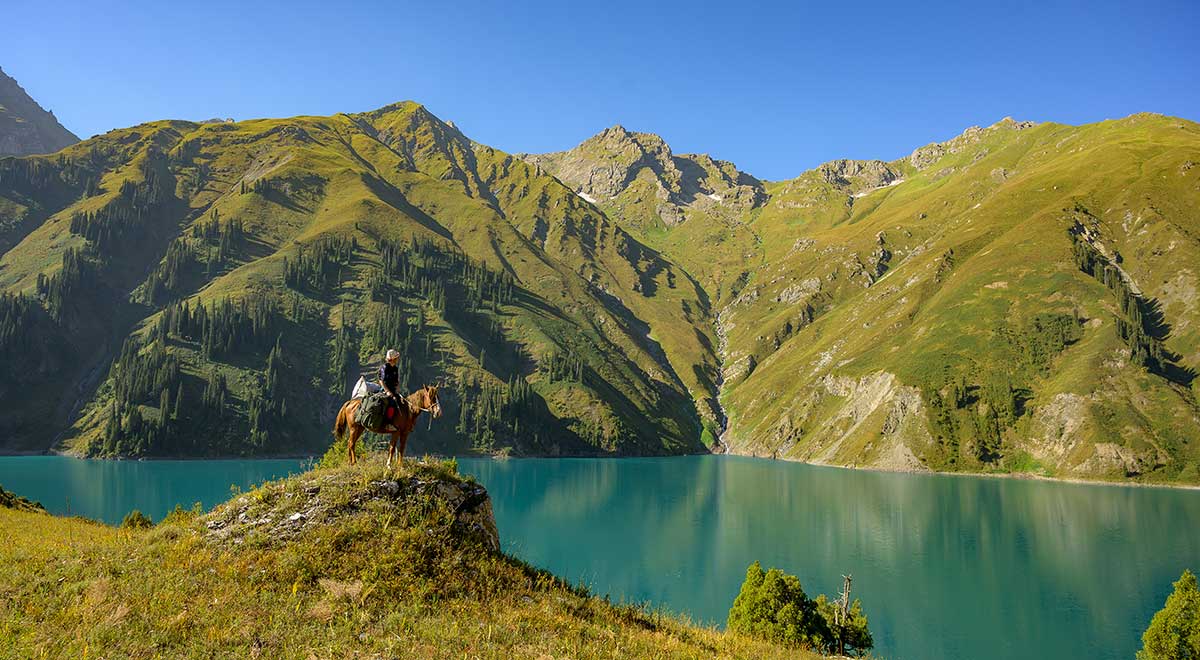
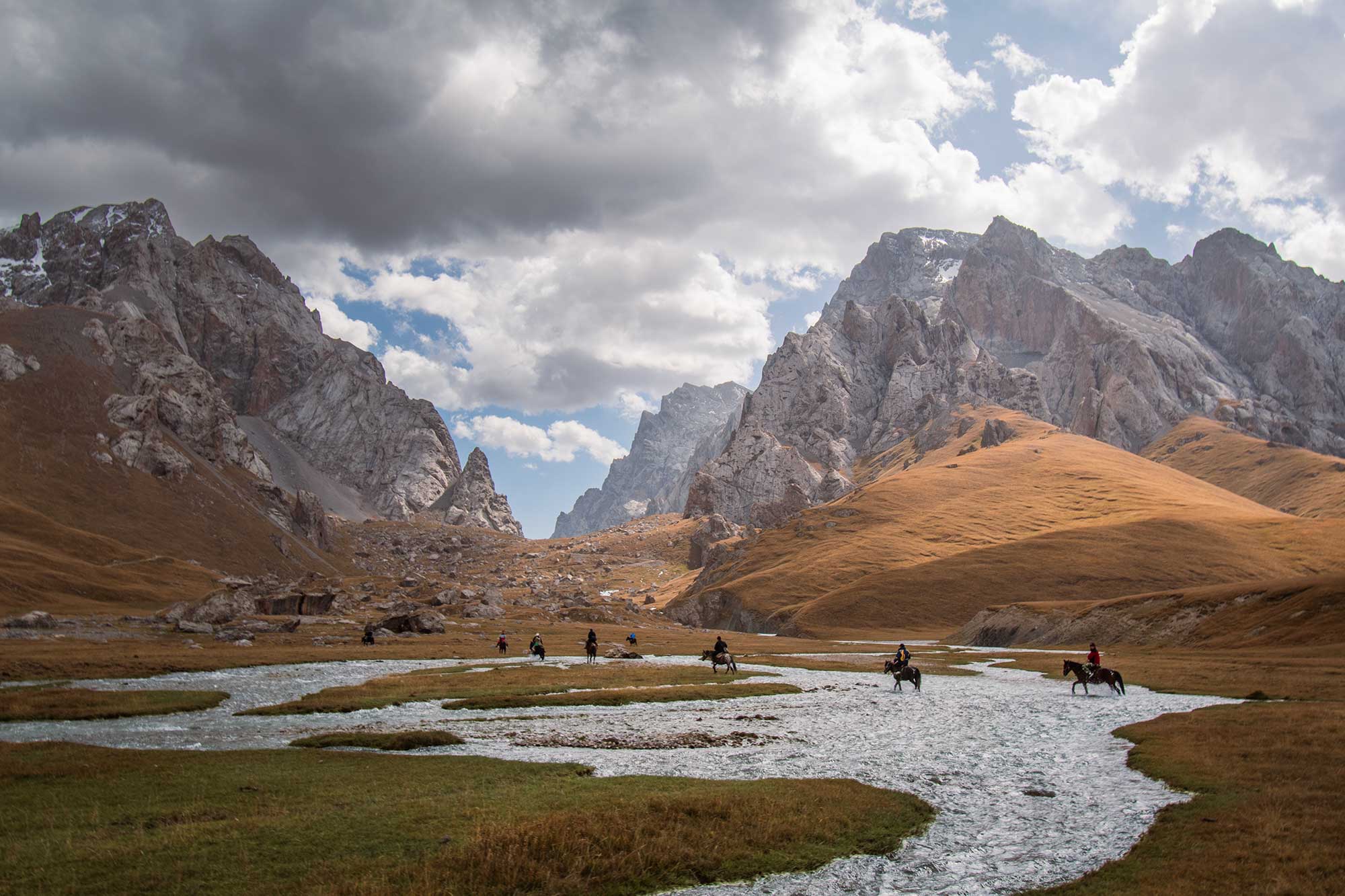
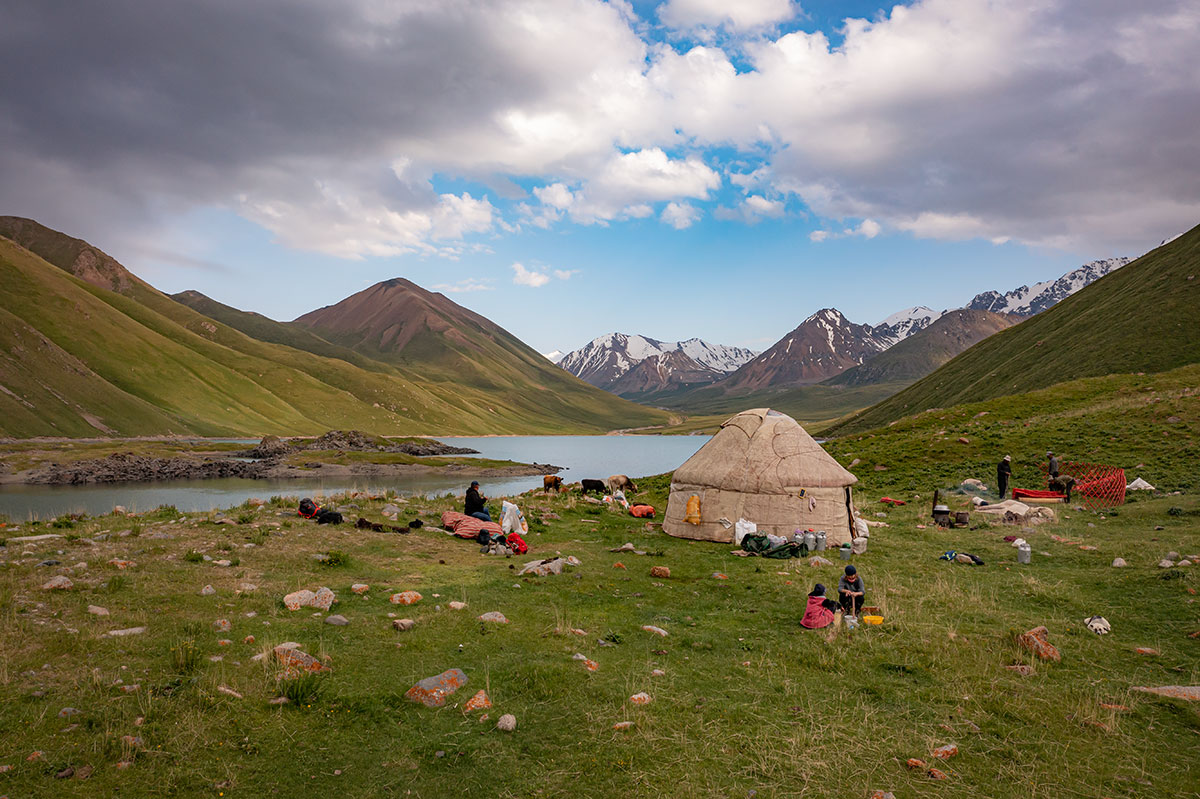
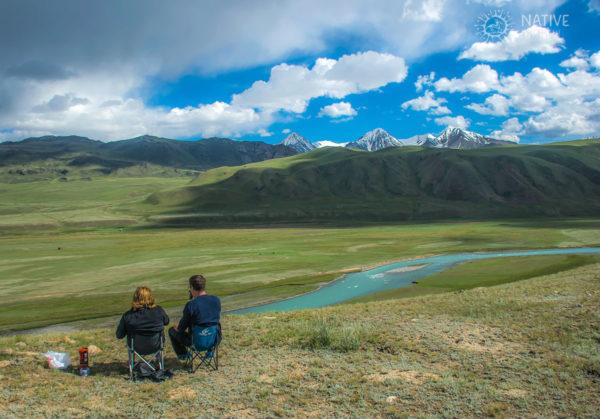
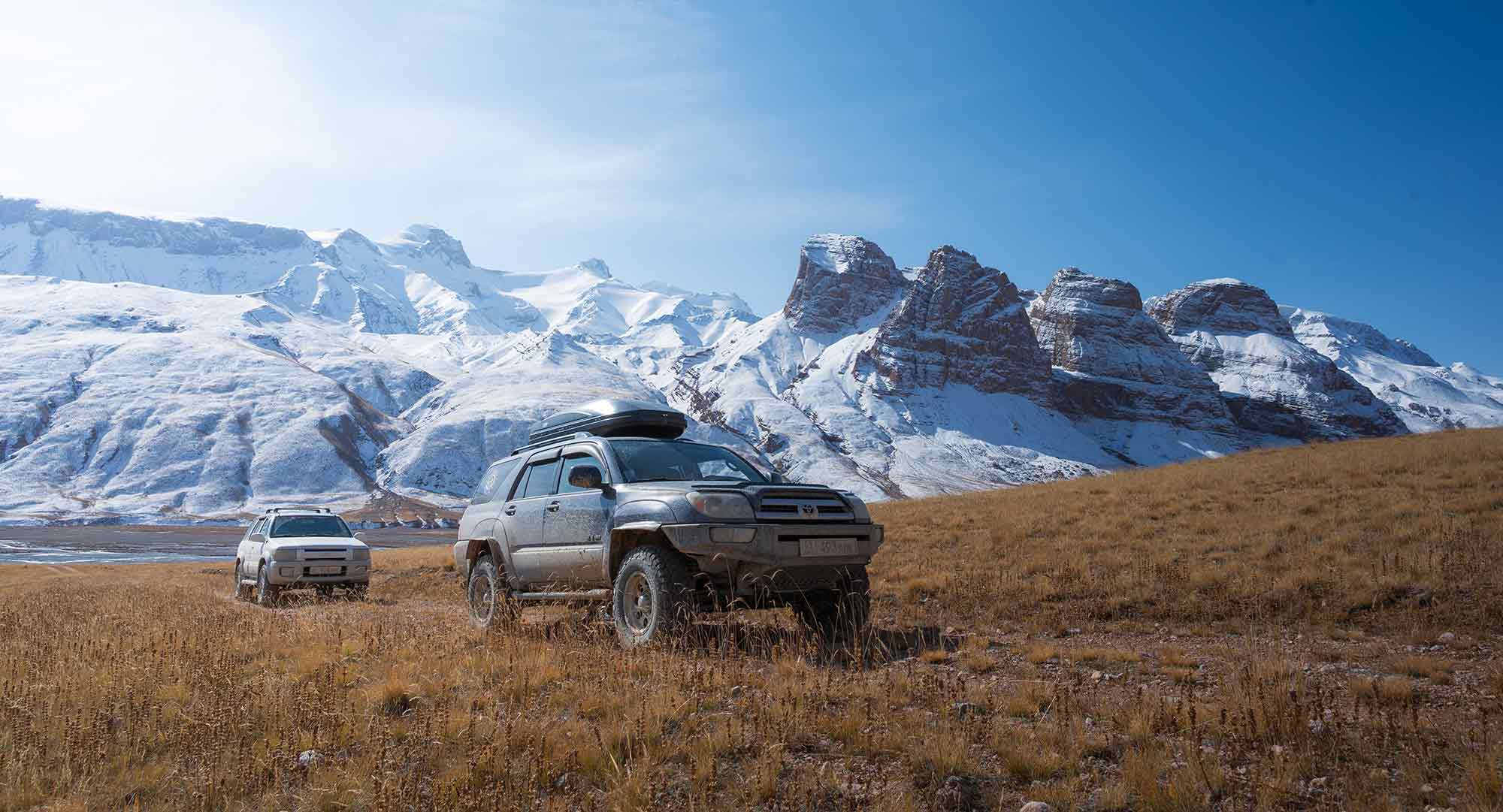
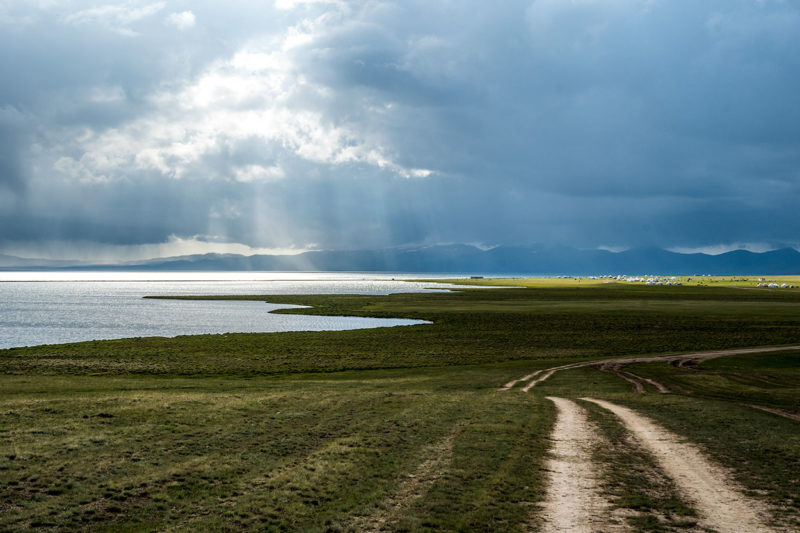
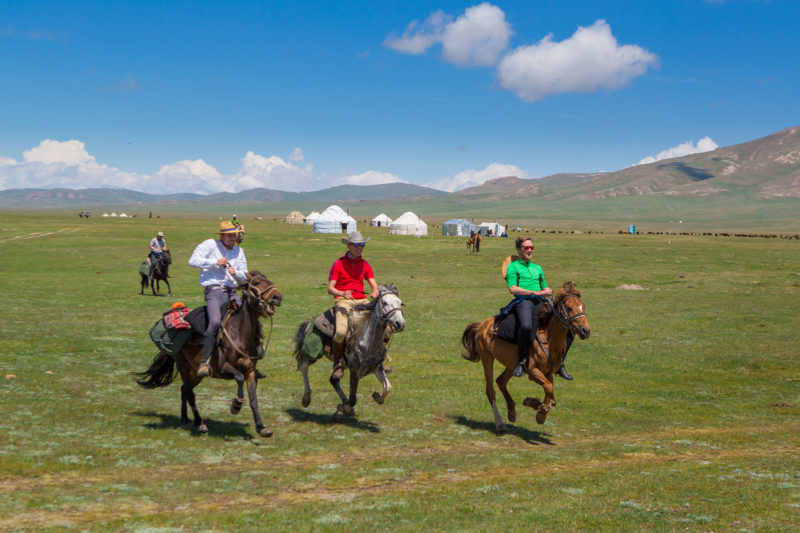
Polish tour leader Michal Shuba has been bringing groups of tourists to Kyrgyzstan for several years, introducing them to the country of nomadic culture, mountains, yurts, and hospitality. In an interview, he explained why he once fell in love with Kyrgyzstan, what surprises Europeans about the country, and what prospects local tourism has. ‘I realized I must show this country to the world’ — Michal, how did you get into tourism? — I’ve been working in tourism almost my whole life. I managed hostels and hotels in various European countries, collaborated with travel agencies, and now I accompany tourist groups around the world. — What sparked your interest in Kyrgyzstan? — My interest in Kyrgyzstan came from literature. I read Ryszard Kapuściński’s ‘The Kyrgyz Dismounts from the Horse’ and Chingiz Aitmatov’s ‘Farewell, Gulsary.’ They inspired me to take my first trip to the country. — When did you first come to Kyrgyzstan? — I first came to Kyrgyzstan in 2017 with friends. In one trip, we managed to see Bishkek, Karakol, Ala-Kul, Cholpon-Ata, Osh, and even drive part of the Pamir Highway. I met so many wonderful people and had so much pleasure that I realized—I must show this country to the world. — Why did you decide to show tourists specifically Kyrgyzstan? — The main difference of Kyrgyzstan is its authenticity. The country has not yet undergone strong ‘westernization’ and remains alive, real, and open to travelers. Nature plays a special role: mountains, lakes, waterfalls, overnight stays in yurts—and, of course, the hospitality of local residents. Europe also has beautiful places, but they are overcrowded. In Kyrgyzstan, you can truly feel nature. First Tour and Tourists’ Love — When did you conduct your first tour? — I conducted my first tour in 2021. The pandemic delayed plans by almost a year. The route included a trip around Issyk-Kul, a visit to Song-Kul, a hike to Ala-Kul, and rest in Bosteri. One of the most memorable moments was dinner on a boat at sunset—with a traditional dish of freshly cooked lamb. Tourists also tried kumis and got acquainted with nomadic culture. After the first tour, I realized—I will return here again and again. — How do you structure your tours? — I try to build tours on the principles of responsible tourism: I work directly with local residents, include cultural elements in the program, and support local communities. For example, routes include shyrdak shows in Kochkor, ashlan-fu master classes in a Dungan family, and manaschi performances. What Surprises Europeans — What surprises European tourists in Kyrgyzstan the most? — The main impressions of tourists are nature, hospitality, and… the number of road repairs. Cultural surprises are inevitable too. For example, vegetarians sometimes encounter unexpected interpretations of dishes: ‘meatless manty’ might turn out to be manty with chicken. In Kyrgyzstan, chicken is sometimes not considered meat—but it’s a surprise for tourists. — What stereotypes about Kyrgyzstan do tourists encounter? — Many initially fear the country due to stereotypes associated with the ‘-stan’ ending. But after the first walks in Bishkek, these fears disappear. Contribution to the Economy and Country’s Image — How many tourists have you brought to Kyrgyzstan? — Over several years, I’ve brought about 200 tourists to Kyrgyzstan. — How do you assess the contribution of such tours to the country’s economy? — I try to work directly with local businesses—without intermediaries and international platforms. This allows lowering prices for tourists and increasing income for local entrepreneurs. It’s a win-win situation—for us and for the locals. — Is Kyrgyzstan’s recognition abroad changing? — Yes, tourism plays an important role in the country’s recognition. Nine years ago, my friends knew almost nothing about Kyrgyzstan. Now the situation is changing. — What main problems do you see in Kyrgyzstan’s tourism? — I see several key problems. First—nature protection. Uncontrolled vehicle access to natural areas is concerning. Second—infrastructure. Roads, sanitary conditions, and service levels need improvement. Third—balance with technology. The internet makes travel easier but sometimes destroys the atmosphere of seclusion. Sometimes it’s better to leave places without connection—so people communicate with each other. — What should every tourist do in Kyrgyzstan? — Kyrgyzstan needs to be lived, not just seen. In my opinion, every tourist should try kumis, spend a night in a yurt without internet, watch kok-boru, and eat beshbarmak with hands. — If you describe Kyrgyzstan in three words, what would they be? — Kumis, Manas, tunduk. Home Away from Home — What has Kyrgyzstan become for you personally? — Over time, the country has become something more than just a work direction. Here, I’ve made friends, acquaintances, and favorite places. Returning to Kyrgyzstan is like returning home, which is far from home. — Is there a place you’re particularly attached to? — My special love is Ala-Kul Lake. I’ve seen it 9 or 10 times already, but each time I smile like a child.
Tell us about your travel plans and we'll craft a personalized proposal within 24 hours. No pressure, no generic packages — just a genuine conversation about your dream trip.
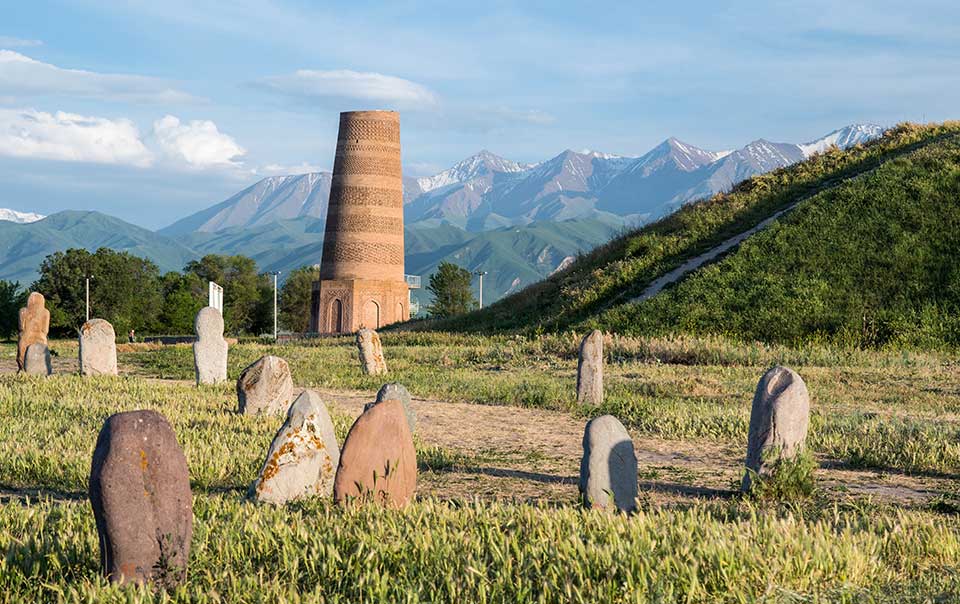
Perfect for culturally curious travelers who want more than a standard sightseeing trip. Ideal for those who want a balanced combination of nature, authentic nomadic life, UNESCO heritage cities, and real Silk Road history — all in one seamless journey across three countries.